


Recently, a fascinating topic has gone viral on social media both in China and abroad: #BecomingChinese.
This doesn’t refer to a change in nationality, but rather a cultural phenomenon. Millions of international netizens are humorously “diagnosing” themselves as Chinese, claiming they have entered a “very Chinese time” in their lives. Drinking hot water has become a lifestyle trend embraced by overseas netizens.
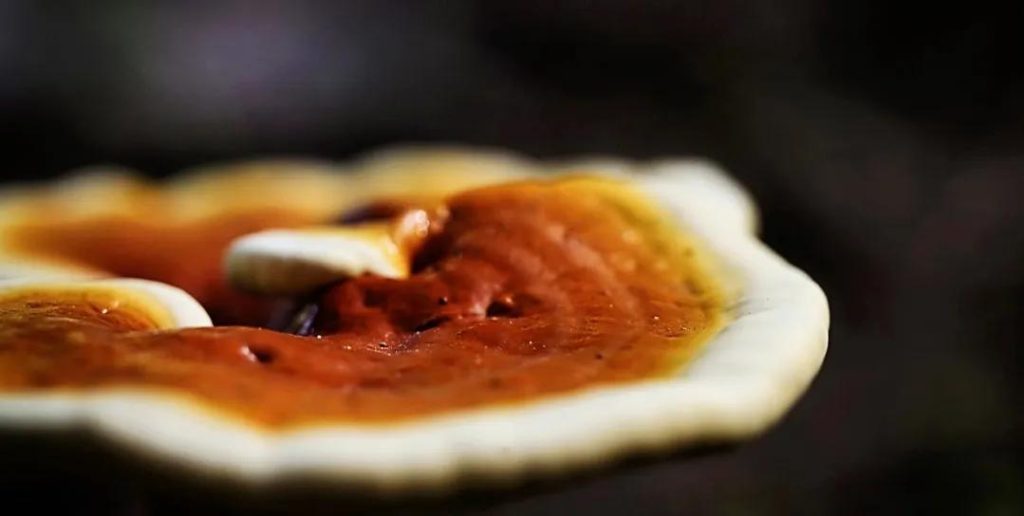
Reishi Culture: A Symbol Within Chinese Tradition
As a longstanding symbol in Chinese culture, Reishi reflects traditional ideas about harmony and mindful living.
From being classified as a “Superior Herb” in the Shennong Bencao Jing (Divine Farmer’s Classic of Materia Medica) to its symbolic role in Taoist tradition, Reishi has historically represented longevity, balance, and auspiciousness in Chinese culture.
Its traditional philosophy of “strengthening the foundation” (Fu Zheng Gu Ben) reflects historical cultural beliefs about cultivating resilience and harmony in daily life.
The essence of Reishi culture resonates with the Chinese values of the “Golden Mean” (Zhong Yong) and “Harmony”:
For the Body: In traditional contexts, Reishi has been included in dietary practices centered around balance and moderation.
For the Mind: In classical literature and art, Reishi has symbolized calmness, reflection, and good fortune.
For Life: A cup of Reishi tea, a quiet moment, and a respect for natural rhythms reflect a lifestyle rooted in cultural tradition.
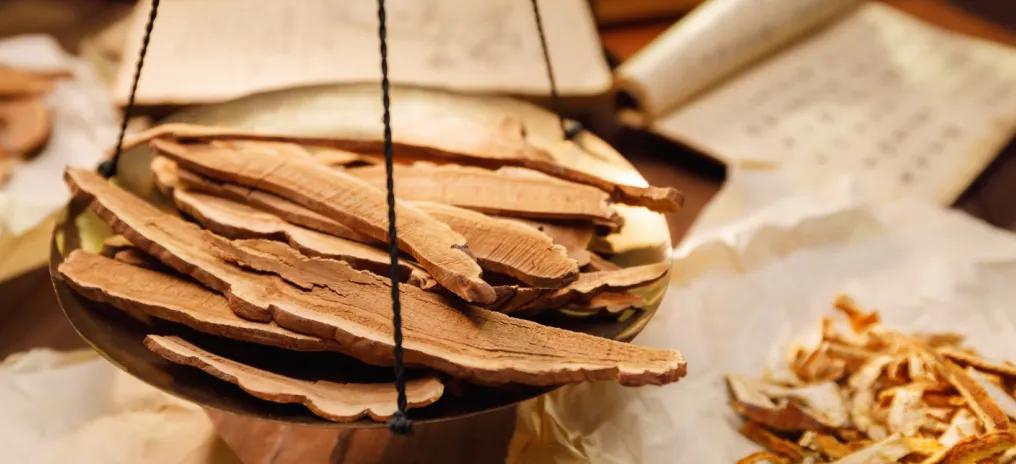
Modern research has identified naturally occurring compounds in Reishi, including polysaccharides and triterpenoids. Contemporary interest continues to explore its historical and cultural significance.
The global interest in a “Chinese lifestyle” reflects a broader desire for mindfulness and balance in everyday life. Reishi remains a cultural emblem within that tradition.


