


A Legacy of Wellness
Since ancient times, Reishi has been celebrated as an “auspicious plant,” historically categorized among the most prized botanicals in traditional wellness practices. Whether in ancient lore or classical texts, it has consistently been held in high esteem for its life-supporting qualities.
However, many people only have a vague impression: “Reishi is a powerful tonic!” But what does it actually do? Does it work like a quick energy boost, or is it more foundational?
Today, we are exploring the essence of Reishi’s role in modern wellness: how it helps maintain the body’s internal harmony.
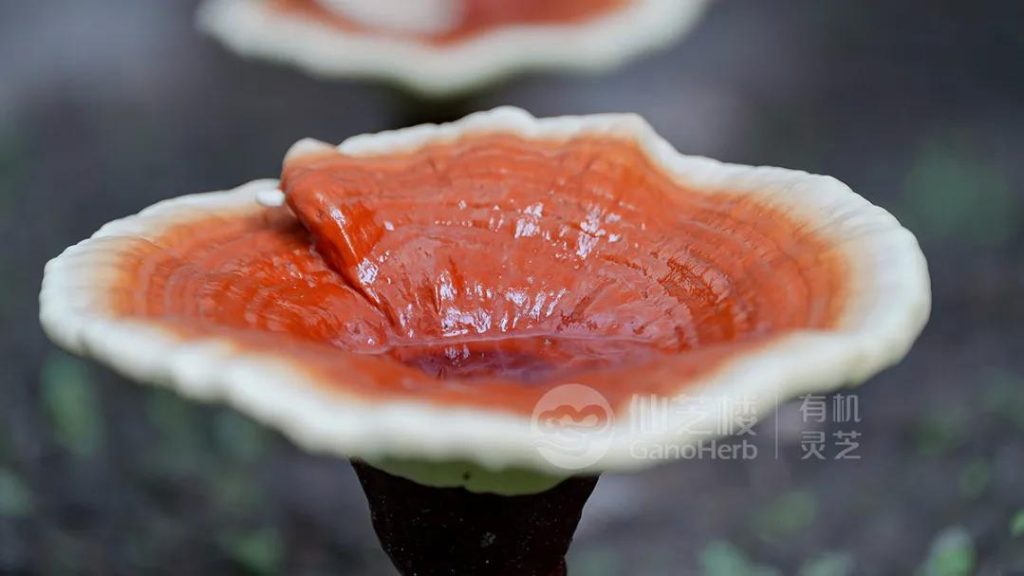
The Role of Reishi: Promoting “Homeostasis”
First, it is important to clarify a key concept: Reishi’s benefits differ from conventional “supplements” that simply provide missing nutrients. Instead, Reishi is often valued for its adaptogenic properties, which emphasize balance and regulation.
Rather than acting as a simple fuel source, Reishi serves as a “bio-regulator,” helping to support the body’s natural systems, maintain vital energy (Qi), and restore internal order. This is why tradition suggests that Reishi is best suited for long-term use to promote overall vitality.
What Systems Does Reishi Support?
The primary benefit of Reishi lies in its ability to support the body’s vital foundation. In Traditional Chinese Medicine (TCM), Reishi is unique because it is believed to interact with multiple pathways to support comprehensive wellness.
Among thousands of traditional Chinese medicinal herbs, Reishi is unique in that it can enter all five meridians and regulate all five zang viscera, making it highly beneficial for the comprehensive regulation of the body’s vital energy.
According to traditional TCM perspectives, Reishi provides the following support:
- Mind and Spirit: Traditionally used to help calm the mind and support a sense of tranquility, indirectly contributing to overall vitality and stress management.
- Natural Cleansing: Supports the body’s natural metabolic and filtration processes, promoting the distribution of nutrients and general resilience.
- Digestive Wellness: With its unique flavor profile, Reishi is believed to support the digestive system in processing nutrients efficiently.
- Respiratory Health: Traditionally used to tonify energy and support healthy lung function.
- Vitality and Strength: Believed to support the kidneys—which tradition links to bone health and overall physical stamina—helping to maintain strength and vigor.
Modern Scientific Perspective: Contemporary research has identified polysaccharides and triterpenoids as the primary active compounds in Reishi. These work together to support a healthy immune system, promote relaxation and quality sleep, and support cardiovascular health and healthy aging. [1]
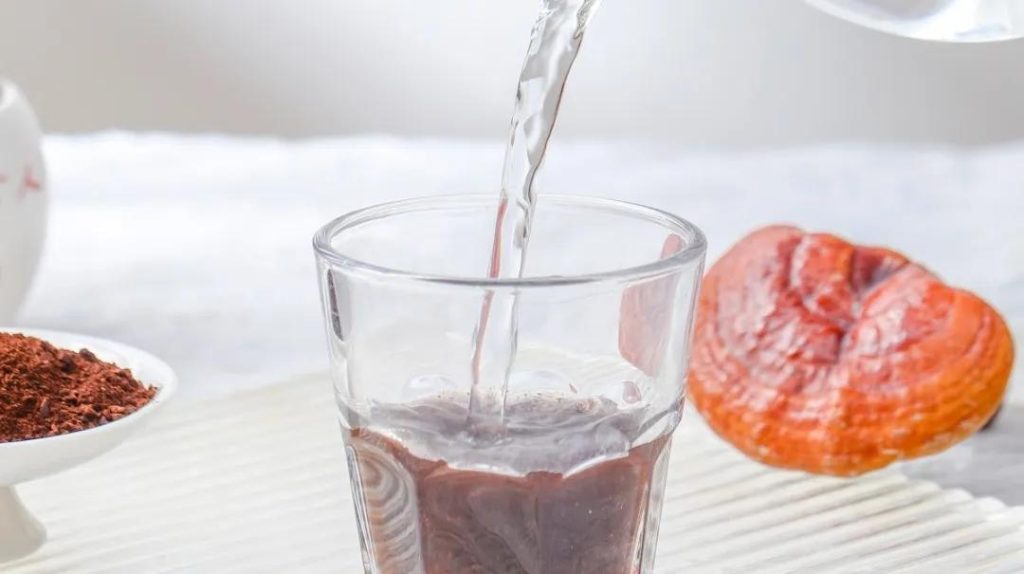
How to Get the Most from Reishi
1. Consistency is Key: Reishi is mild, non-toxic. Its effects are gradual and cumulative. Unlike products designed for immediate results, Reishi works through a gentle, continuous process. Consistent use (typically 1–3 months) is recommended to experience noticeable wellness benefits.
2. Prioritize High Potency: Look for Reishi products with standardized levels of both polysaccharides and triterpenoids. Higher concentrations of these active ingredients generally lead to more effective support.
3. Select Organic and Traceable Sources: To ensure safety, choose organically cultivated Reishi. This minimizes the risk of heavy metals or pesticide residues. Full traceability—from the farm to the finished product—ensures the highest reliability.
Conclusion
Ultimately, Reishi does not simply “fix” a single issue. Instead, it supports homeostasis—enhancing your body’s natural resilience and promoting a sense of inner calm. It represents a holistic approach to wellness, helping the body maintain its natural state of balance.
FDA Disclaimer: These statements have not been evaluated by the Food and Drug Administration. This product is not intended to diagnose, treat, cure, or prevent any disease.
Always consult with a healthcare professional before starting any new supplement regimen, especially if you are pregnant, nursing, taking medication, or have a medical condition.
Reference:
[1] Lin Zhibin, Yang Baoxue. Pharmacology and Clinical Applications of Reishi. 1st ed. Beijing: Peking University Medical Press, 2020: 11.


