


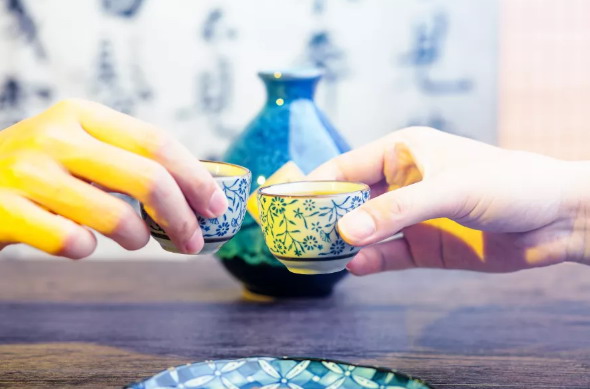
Drinking alcohol is a common part of many social occasions. 그렇지만, excessive alcohol consumption or drinking heavily over a long period can have harmful effects on many organs, including the liver, 마음, 뇌, and digestive system.
Why do some people flush after drinking alcohol?
Some people experience facial flushing shortly after drinking alcohol. This response is commonly associated with an inherited variation in the aldehyde dehydrogenase 2 (ALDH2) gene, which reduces the body’s ability to break down acetaldehyde, a byproduct of alcohol metabolism. As acetaldehyde accumulates, it may cause facial rednes에스, warmth, and other uncomfortable symptoms.
Facial flushing is not an indicator of alcohol tolerance or drinking capacity.
Does facial color indicate alcohol tolerance?
Changes in facial color after drinking do not reliably indicate how well a person tolerates alcohol. Individual responses to alcohol vary depending on genetics, body size, sex, medications, food intake, and other factors.
Regardless of whether someone flushes or not, drinking excessive amounts of alcohol may increase the risk of health problems.
Drink responsibly
Heavy drinking places additional stress on the liver and other organs. Being able to consume larger amounts of alcohol without obvious symptoms does not mean that alcohol is causing less harm.
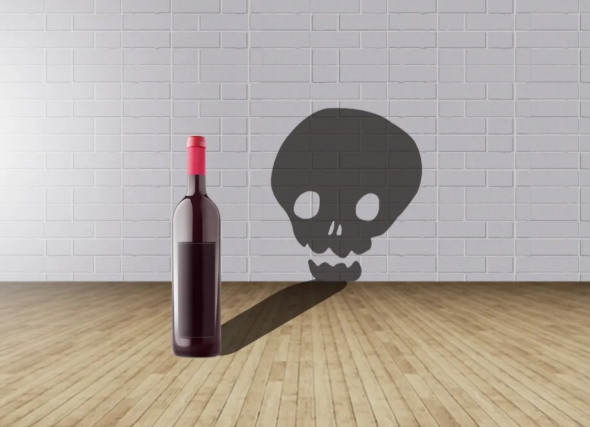
Recommended limits
According to the Dietary Guidelines for Americans, adults of legal drinking age who choose to drink should do so in moderation—up to one drink per day for women and up to two drinks per day for men. Some people, including those who are pregnant, under the legal drinking age, taking certain medications, or with certain medical conditions, should not drink alcohol.
Tips for drinking more responsibly
If you choose to drink, keep track of the total amount of alcohol you consume rather than focusing on the type of beverage.
Choose beverages with a lower alcohol content when possible.
Eat a balanced meal before and while drinking, especially foods containing protein and complex carbohydrates.
Drink water throughout the occasion to help maintain hydration.
Pace yourself by drinking slowly and alternating alcoholic beverages with water or other non-alcoholic drinks.
Avoid binge drinking.
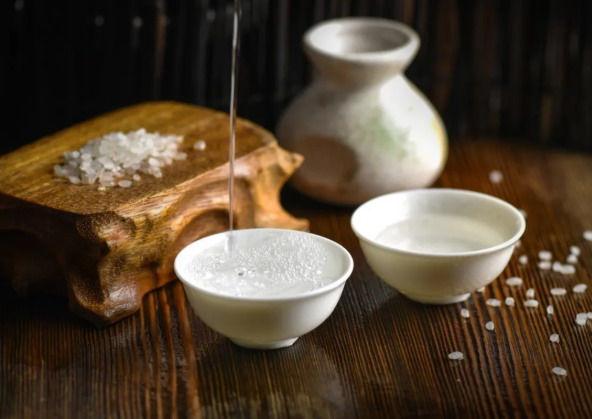
After drinking
No food or beverage has been proven to speed up the body’s elimination of alcohol. Eating fruit and drinking water may help you 수분을 유지하다 and feel more comfortable, but they do not accelerate alcohol metabolism 또는 reverse intoxication.


