


Seasonal eating has long been part of many traditional cultures. 한의학에서는 (한의학), early summer has traditionally been associated with dietary practices that emphasize light meals and balanced daily habits.
The concepts described below are based on traditional wellness practices and cultural dietary traditions. They are not intended as medical advice and should not be interpreted as evidence that any food or ingredient can diagnose, 대하다, 치유법, or prevent disease.
Traditional Foods Commonly Enjoyed During Early Summer
Rice Porridge
Rice porridge has been enjoyed for centuries as a simple, comforting meal. Its soft texture and mild flavor make it a popular choice for individuals seeking light meals during seasonal transitions.
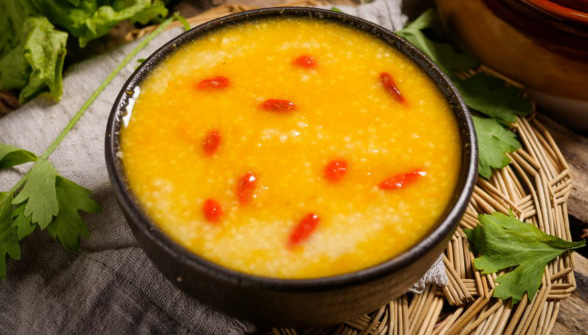
Other grains commonly used in porridges include:
- Millet
- Corn
- Oats
- Barley
- Black rice
- Buckwheat
- Various beans
Including a variety of whole grains as part of a balanced diet can provide dietary fiber and essential nutrients.
Pumpkin
Pumpkin is a nutritious vegetable that naturally contains dietary fiber, vitamin A (as beta-carotene), 비타민 C, and potassium. It is commonly prepared in soups, porridges, and other traditional dishes.
Chinese Yam (디오스코레아)
Chinese yam (디오스코레아) is a traditional culinary ingredient widely used in Asian cuisine. It provides carbohydrates, dietary fiber, and naturally occurring plant compounds, making it a versatile ingredient for soups, porridges, and stir-fried dishes.
Potatoes
Potatoes provide complex carbohydrates, 칼륨, 비타민 C, and dietary fiber. When prepared with moderate amounts of fat, sodium, and added sugars, they can be included as part of an overall healthy eating pattern.
Sweet Potatoes
Sweet potatoes are naturally rich in beta-carotene, dietary fiber, 비타민 C, and potassium. Their naturally sweet flavor makes them a popular ingredient in a variety of balanced meals.
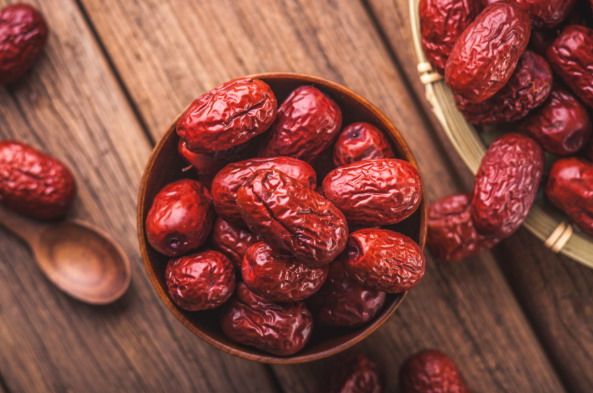
Jujube (Chinese Red Dates)
Jujube, also known as Chinese red date, has been used in traditional Asian cooking for generations. It is commonly added to soups, 차, and porridges for its naturally sweet flavor and contains naturally occurring antioxidants.
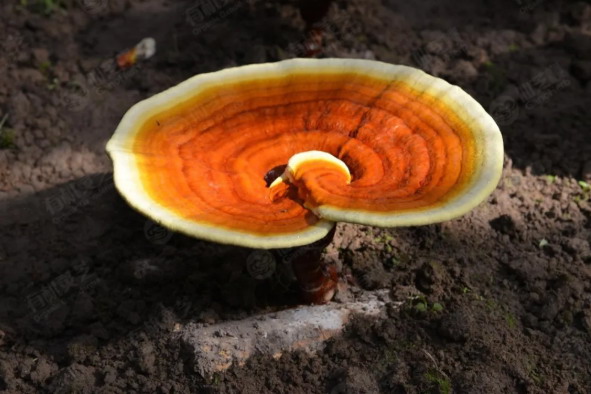
영지버섯 (링지/Reishi) in Traditional Culinary Practices
영지버섯 has been used for centuries in traditional East Asian culinary and cultural practices. Recognized by its glossy cap and naturally firm texture, Reishi is typically dried and slowly simmered in soups, 국물, or teas rather than eaten directly. Its distinctive flavor complements ingredients such as ginger, pork, chicken, 빨간 날짜, and other mushrooms in many traditional recipes. Reishi naturally contains dietary fiber and naturally occurring compounds, including polysaccharides and triterpenes.
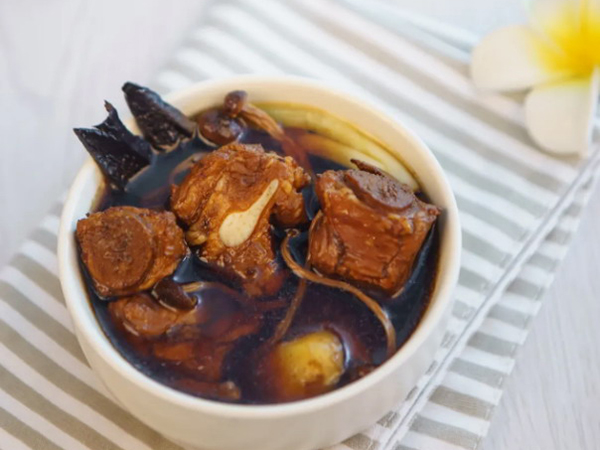
Traditional Mushroom Soup Featuring Reishi and Lion’s Mane
This traditional soup features mushrooms that have long been appreciated in East Asian culinary traditions.
재료
- 10 g dried purple reishi slices
- 20 g dried Lion’s Mane mushrooms
- 200 g 돼지갈비
- 3 slices fresh ginger
- Spring onion
- Salt to taste
지도
1. Soak the dried Lion’s Mane mushrooms in water for 8–12 hours, then drain.
2. Rinse the purple reishi slices.
3. Blanch the pork ribs in boiling water for 2–3 minutes and drain.
4. Combine the ribs, 보라색 영지, 사자갈기버섯, 생강, and spring onion in a soup pot.
5. Add sufficient water and simmer over low heat for approximately one hour.
6. Season lightly with salt before serving.
This traditional recipe may be enjoyed as part of a varied and balanced diet.
General Healthy Lifestyle Habits
General nutrition and lifestyle recommendations that support overall health include:
- Eating a balanced diet rich in vegetables, 과일, whole grains, 콩과 식물, and lean protein.
- Drinking adequate fluids throughout the day.
- Participating in regular physical activity.
- Getting sufficient sleep.
- Consulting a qualified healthcare professional before making significant dietary changes or using dietary supplements, particularly if you are pregnant, 육아, taking medications, 아니면 질병이 있거나.
Important Notice
The information provided is intended for educational and informational purposes only. References to Traditional Chinese Medicine (한의학) and traditional wellness practices reflect historical and cultural traditions and are not intended as scientific or medical claims.
이 진술은 식품의약청(FDA)의 평가를 받지 않았습니다.. 본 제품은 진단용 제품이 아닙니다., 대하다, 치유법, 아니면 질병을 예방하거나.


