


Early clinical observations have shown that there is a certain link between allergic rhinitis and allergic asthma. Multiple studies have confirmed that 79-90% of asthma patients suffer from rhinitis, et 40-50% of allergic rhinitis patients suffer from allergic asthma. Allergic rhinitis may cause asthma because problems in the upper respiratory tract (nasal cavity) cause changes in the balance of the lower respiratory tract, which in turn causes asthma. Ou, between allergic rhinitis and allergic asthma, there are some similar allergens, so patients with allergic rhinitis may also suffer from asthma. [Information 1]
Persistent allergic rhinitis is considered an independent risk factor for asthma. If you have symptoms of allergic rhinitis, you should treat it as soon as possible, otherwise your health will be affected in the long run.
How to prevent and control allergic rhinitis?
It is generally recommended that patients avoid contact with allergens as much as possible, such as wearing masks when going out, sunbathing beddings and cloths and removing mite; patients should receive medical treatments under the guidance of a doctor; for children, when symptoms of allergic rhinitis occur, it is necessary to carry out immunotherapy as soon as possible to prevent allergic rhinitis from developing into asthma.
1. Drug therapy
À l'heure actuelle, the main clinical treatment depends on drugs to control the symptoms of allergic rhinitis. The main drugs are nasal spray hormone drugs and oral antihistamine drugs. Other therapeutic regimens also include nasal irrigation auxiliary treatment and TCM acupuncture. They all play a role in the treatment of allergic rhinitis.[ Information 2]
2. Desensitization Treatment
For patients with obvious clinical manifestations that have experienced unsuccessful conventional treatments, have allergen tests and are severely allergic to dust mites, they are recommended to receive dust mite desensitization treatment.
There are currently two types of desensitization treatment in China:
1. Desensitization by subcutaneous injection
2. Desensitization by sublingual administration
Desensitization treatment is now the only possible way to “cure” allergic rhinitis, but patients need to have a high degree of compliance and continue to accept treatment for 3 À 5 years with periodic review and regular medication.
Pan Chunchen, an attending physician at the Department of Otolaryngology, the First Affiliated Hospital of the University of Science and Technology of China, a dit que d'après l'observation clinique actuelle, la désensibilisation sublinguale est probablement efficace pour la plupart des patients. En outre, d'autres patients n'ont pas réussi à obtenir une véritable désensibilisation en raison d'une observance insuffisante et de certaines raisons objectives.
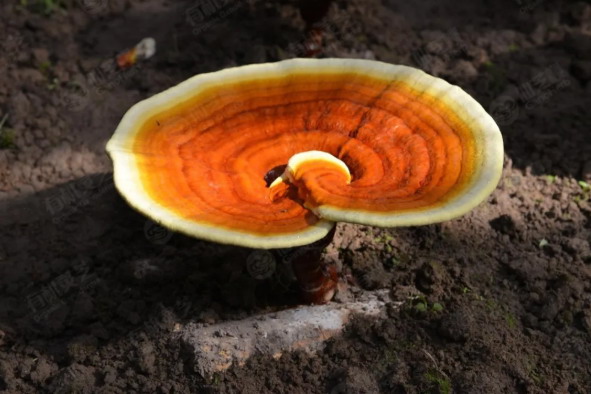
Ganoderma lucidum peut améliorer la rhinite allergique causée par le pollen.
Le pollen est l'un des principaux allergènes de la rhinite allergique. Selon une étude de l'Université pharmaceutique de Kobe au Japon, Ganoderma lucidum peut réduire les symptômes allergiques causés par le pollen, surtout la congestion nasale gênante.
Les chercheurs ont donné des fructifications moulues de Ganoderma lucidum à des cobayes allergiques au pollen et les ont en même temps laissés sucer du pollen une fois par jour pendant 8 semaines.
Par conséquent, par rapport aux cobayes sans protection Ganoderma, le groupe Ganoderma avait significativement réduit les symptômes de congestion nasale et réduit le nombre d'éternuements dès la 5ème semaine. Mais si les cobayes arrêtaient de prendre Ganoderma mais étaient toujours exposés à des allergènes, there was no difference at first but the problem of nasal congestion would reappear by the second week.
It is worth mentioning that eating Lingzhi does not work immediately. Because the researchers tried to give a high dose of Ganoderma lucidum to the guinea pigs who had already had rhinitis symptoms for one and a half months, the symptoms did not improve after 1 semaine.
This study tells us that Ganoderma lucidum can still improve allergic rhinitis even if it can’t get rid of allergens, but it can’t be effective immediately. Patients need to eat patiently and continue to eat Ganoderma before they can feel the effect of Champignon Reishi. 【Information 3】
Références:
Information 1” 39 Health Net, 2019-7-7, World Allergy Day: “The Blood and Tears” ofAllergic Rhinitis Patients
Information 2: 39 Health Net, 2017-07-11, La rhinite allergique est aussi une « maladie de richesse », peut-on vraiment guérir?
Information 3: Wu Tingyao, Lingzhi, Ingénieux au-delà
Description


