


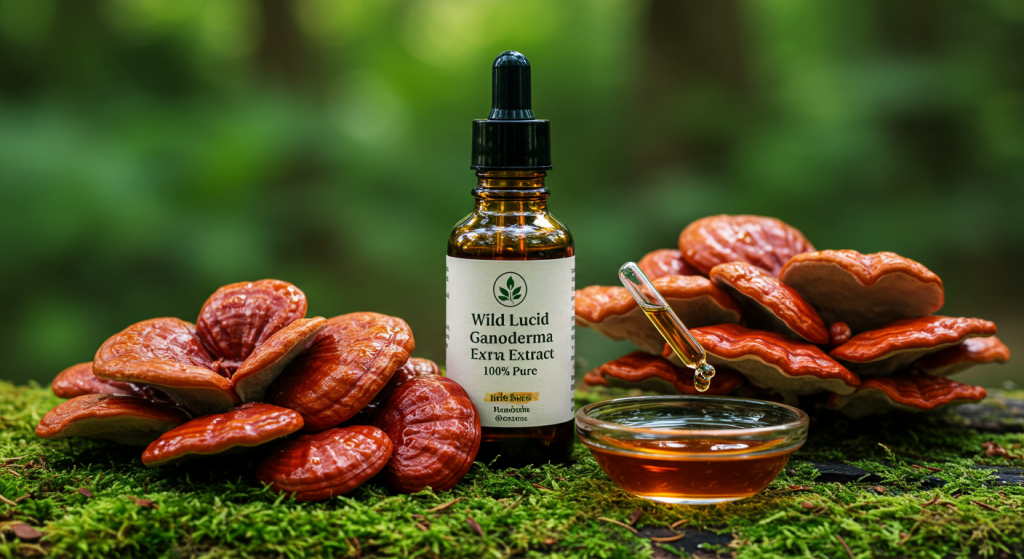
In the heart of pristine forests, wild Ganoderma lucidum, known as Reishi or Lingzhi, stands as a symbol of vitality and longevity. Reverenciado por mais 2,000 years as the “mushroom of immortality” in East Asian traditions, este brilhante, reddish-brown polypore is celebrated for its bioactive compounds—polysaccharides, beta-glucanos, e triterpenóides – que oferecem suporte imunológico, alívio do estresse, e benefícios antioxidantes. As the global functional mushroom market is projected to reach $116.8 bilhão por 2032, wild Extrato de Reishi has become a prized ingredient for wellness brands, empresas de suplementos, and health enthusiasts. Unlike cultivated Reishi, wild specimens, harvested from untouched ecosystems, are believed to possess enhanced potency due to their natural environment. This comprehensive guide explores the biology, historical significance, benefícios para a saúde, harvesting practices, processos de produção, modern applications, and sourcing strategies for wild Reishi extract.
What Is Wild Reishi Extract (Ganoderma lucidum)?
Wild Reishi extract is a concentrated derivative of Ganoderma lucidum, a polypore mushroom that grows naturally on decaying hardwood trees like oak, bordo, and plum in temperate and subtropical forests across Asia, Europa, and North America. Unlike cultivated Reishi, grown in controlled environments, wild Reishi absorbs nutrients from its natural ecosystem, potentially enhancing its bioactive profile. Its distinctive features include a shiny, varnished cap ranging from red to dark brown, a woody texture, and a bitter taste. The key compounds include:
- Polissacarídeos: Complex carbohydrates that support immune function and promote gut health by enhancing immune cell activity and microbiome balance.
- Beta-glucanos: Polysaccharides that boost immune response by activating macrophages and T-cells, as shown in clinical studies.
- Triterpenóides: Compounds with anti-inflammatory, adaptogenic, e propriedades antioxidantes, aiding stress management and cellular protection.
- Esteróis: Plant-based compounds that contribute to cardiovascular health by supporting healthy cholesterol levels and circulation.
The tough, woody nature of wild Reishi makes it unsuitable for direct consumption, but advanced extraction processes transform it into bioavailable forms such as powders, cápsulas, chás, tinturas, ou óleos. Its rarity in the wild—due to specific ecological requirements like high humidity, shaded environments, and suitable host trees—adds to its exclusivity and value as a premium wellness ingredient. Wild Reishi extract is often processed to preserve its potency, making it a sought-after component in health supplements and functional products.
Historical and Cultural Significance of Wild Reishi
The historical significance of Reishi is profound, spanning over 2,000 anos nas tradições herbais do Leste Asiático. O *Shen Nong Ben Cao Jing *, a foundational Chinese pharmacopeia from around 200 BCE, describes Reishi as a divine herb capable of promoting longevity, vitalidade, e clareza espiritual. It was highly prized by Chinese emperors and Taoist monks, who used it to enhance meditation, boost physical resilience, and achieve a state of balance. No Japão, where it is called “Mannentake” (10,000-year mushroom), Reishi was brewed into teas to foster calm and fortitude, often associated with Zen practices and spiritual enlightenment. Its scarcity in the wild, growing only on specific hardwood trees in remote forests, made it a luxury commodity, symbolized in art, textiles, and architecture as a sign of divine favor and prosperity.
In the modern era, wild Reishi has transcended its cultural origins to become a global wellness icon, amplified by social media and rigorous scientific validation. Posts on platforms like Instagram, TikTok, and X with hashtags like #ReishiMushroom, #MushroomWellness, and #NaturalHealing highlight its benefits for immunity, dormir, alívio do estresse, e bem-estar geral, resonating with millennials and Gen Z who prioritize holistic, natural health solutions. The allure of wild Reishi, harvested from untouched forests, adds a layer of authenticity and purity, representing a direct connection to nature’s raw potency. Suppliers now process both wild and cultivated Reishi to meet this soaring demand, delivering organic extracts that honor its traditional roots while adhering to contemporary quality, segurança, and sustainability standards.
Why Choose Wild Reishi Extract?
Selvagem Ganoderma lucidum extract stands out from cultivated Reishi for several compelling reasons, making it a premium choice for wellness applications:
- Enhanced Bioactive Potency: The diverse nutrients, environmental stressors, and complex microbial interactions in natural ecosystems may increase concentrations of polysaccharides, beta-glucanos, e triterpenóides, potentially offering superior therapeutic effects compared to cultivated varieties, though more research is needed to quantify this difference.
- Purity and Natural Integrity: Growing without synthetic pesticides, fertilizantes, ou organismos geneticamente modificados (OGM), wild Reishi appeals to purists seeking unadulterated, natural remedies free from chemical contaminants.
- Rarity and Exclusivity: Its limited availability in the wild, due to specific growth conditions, enhances its perceived value, positioning it as a luxury ingredient for high-end wellness products and niche markets.
- Ecological Connection: Harvested from pristine, biodiverse forests, wild Reishi resonates with eco-conscious consumers who value products that maintain a minimal environmental footprint and reflect a deep respect for nature.
- Unique Terroir: Similar to fine wine or artisanal coffee, wild Reishi’s flavor profile and bioactive composition vary by region, reflecting the soil, climate, and host trees of its habitat, adding a distinctive character that cultivated Reishi may lack.
No entanto, the rarity of wild Reishi raises significant concerns about overharvesting, which can deplete natural populations and disrupt forest ecosystems. Sustainable harvesting practices and ethical sourcing are essential to ensure its long-term availability while preserving the environment.
Science-Backed Health Benefits of Wild Reishi Extract
The health benefits of wild Reishi extract are deeply rooted in traditional use and increasingly validated by modern scientific research, making it a versatile and powerful ingredient in wellness applications. The key benefits include:
- Suporte ao sistema imunológico: Beta-glucans and polysaccharides enhance the activity of T-cells, macrófagos, e células assassinas naturais, strengthening the body’s defense against pathogens and supporting overall immune resilience, as demonstrated in immune modulation studies published in journals like *Phytotherapy Research*.
- Stress Relief and Mental Clarity: Triterpenóides, como ácidos ganodéricos, act as adaptogens, reduzindo a fadiga, alleviating anxiety, and promoting mental clarity, supported by research on stress-related fatigue and mood regulation in *Journal of Ethnopharmacology*.
- Defesa antioxidante: Reishi’s compounds neutralize free radicals, protegendo as células do estresse oxidativo e apoiando a longevidade, saúde da pele, and cellular integrity, with preclinical studies in *Food Chemistry* suggesting lifespan extension in animal models.
- Efeitos anti-inflamatórios: A modulação das citocinas reduz a inflamação, ajudando a saúde das articulações, muscle recovery, and the management of chronic inflammatory conditions, as shown in studies in *Mediators of Inflammation*.
- Saúde Cardiovascular: Triterpenoids and sterols may improve blood circulation, reduce blood pressure, and support healthy cholesterol levels, aligning with traditional uses for vitality and heart health, per research in *Phytomedicine*.
- Saúde intestinal: Prebiotic fibers in Reishi nurture beneficial gut bacteria, enhancing digestion, absorção de nutrientes, and mood regulation through the gut-brain axis, as demonstrated in microbiome studies in *Nutrients*.
- Saúde da pele: The antioxidant and anti-inflammatory properties of Reishi make it a rising star in skincare, reducing redness, promoting hydration, and combating visible signs of aging, as noted in cosmetic research.
Harvesting Wild Ganoderma Lucidum
Harvesting wild Ganoderma lucidum is a delicate and specialized process that requires expertise, ecological awareness, and strict adherence to sustainable practices to preserve natural ecosystems and ensure the mushroom’s long-term availability. Key aspects of the harvesting process include:
- Identification and Expertise: Wild Reishi is identified by its glossy, reddish-brown to dark brown cap, often with a varnished appearance, growing on decaying hardwood trees like oak or maple. It typically appears in summer and fall, forming fan-shaped or kidney-shaped fruiting bodies. Misidentification with toxic look-alikes, como Ganoderma tsugae or other polypores, is a significant risk, requiring expert knowledge or laboratory testing to confirm species authenticity.
- Key Harvesting Locations: Reishi grows in diverse forests across China (por exemplo, Fujian, Yunnan), Japão (Hokkaido), Coréia, Southeast Asia, Europa (por exemplo, Scandinavia), and North America (por exemplo, Appalachian Mountains). It favors humid, shaded environments with old-growth hardwood trees, thriving in conditions with high moisture and moderate temperatures.
- Sustainable Harvesting Practices: Ethical foragers employ selective harvesting, taking only mature fruiting bodies and leaving younger specimens to ensure regrowth and spore dispersal. They obtain permits, adhere to local regulations, and collaborate with conservation groups to minimize ecological impact. Techniques include using hand tools to avoid damaging host trees and surrounding flora.
- Environmental Challenges: The rarity of wild Reishi, combined with increasing global demand, poses risks of overharvesting, which can deplete natural populations and disrupt forest ecosystems. Environmental threats like deforestation, climate change, and habitat loss further endanger wild Reishi, making sustainable practices critical.
Production Process of Wild Reishi Extract
Transforming wild Ganoderma lucidum into a potent, bioavailable extract involves a series of meticulous steps designed to preserve its bioactive compounds and ensure safety and quality. O processo de produção inclui:
Collection and Cleaning
Harvested wild Reishi is carefully cleaned to remove dirt, debris, insetos, or other organic matter, ensuring only high-quality fruiting bodies or spores are used. This initial step is critical to prevent contamination and maintain the purity of the final extract, especially given the mushroom’s natural forest origins.
Secagem
The cleaned Reishi is dried at low temperatures (40–50 ° C.) using advanced infrared or freeze-drying technology to preserve delicate bioactives like beta-glucans, Polissacarídeos, e triterpenóides. This process reduces moisture content to under 10%, ensuring shelf stability without compromising nutritional value. Proper drying prevents mold growth and maintains the mushroom’s therapeutic potency.
Extração
To unlock Reishi’s bioactives, suppliers use sophisticated extraction methods to break down the indigestible chitin cell walls, which humans cannot digest. Common techniques include:
- Extração de Água Quente: Boiling water isolates polysaccharides, critical for immune support and gut health.
- Extração de etanol: Alcohol extraction captures triterpenoids, responsible for anti-inflammatory and adaptogenic effects.
- Extração Dupla: Combines both methods to produce full-spectrum extracts, maximizing the range of bioactives, as utilized by leading suppliers like Real Mushrooms.
- Extração supercrítica de CO2: A premium, solvent-free method that yields high-purity extracts, often used for specialized products like oils or high-potency powders.
Alguns fornecedores, such as Mycotrition, employ a “shellbroken” technique, grinding Reishi spores into ultra-fine powders to significantly enhance absorption and bioavailability, ensuring the extract delivers maximum therapeutic benefits.
Padronização e Testes de Qualidade
Once extracted, the Reishi material is standardized to specific bioactive levels, como 30% polissacarídeos ou 2% triterpenóides, to ensure consistency across batches. Third-party laboratories conduct rigorous testing for heavy metals, pesticidas, micróbios, e resíduos químicos, com certificados de análise (COA) verifying safety and compliance with international standards. Teste de DNA confirma autenticidade de Reishi, avoiding adulteration with inferior mushrooms or fillers, as highlighted in a 2017 Nature study that found authenticity issues in some Reishi products. This commitment to quality testing is a hallmark of trusted suppliers, ensuring consumer safety and brand reliability.
Fresagem e Embalagem
The extracted material is milled into a fine, uniform powder, creating a smooth texture suitable for capsules, chás, ou smoothies. Eco-friendly packaging aligns with consumer preferences for sustainable products, enhancing the market appeal of the final extract.
Applications of Wild Reishi Extract
Wild Reishi extract’s versatility makes it a star ingredient across multiple wellness applications, atendendo às diversas necessidades dos consumidores:
- Suplementos alimentares: Capsules or loose powders for daily immune support, alívio do estresse, e bem -estar geral, oferecendo dosagem precisa (por exemplo, 500–1000mg por porção).
- Bebidas funcionais: Chás, tinturas, ou Rótulo Privado Reishi Coffee, blending Reishi’s earthy flavor with health benefits, ideal for relaxation, foco, or energy without jitters.
- Skincare Products: Soros, máscaras, or creams leveraging Reishi’s antioxidant and anti-inflammatory properties to reduce redness, promote hydration, and combat signs of aging, popular in clean beauty.
- Alimentos funcionais: Smoothies, barras energéticas, or snacks infused with Reishi powder for a nutrient boost, appealing to health-focused consumers and DIY wellness enthusiasts.
- Usos Culinários: Added to soups, caldos, or baked goods for a subtle health kick, with its bitterness balanced by complementary flavors like ginger, cúrcuma, or honey.
Tabela de comparação: Selvagem vs.. Cultivated Reishi Extract
The following table compares wild and cultivated Reishi extract, highlighting key differences to guide sourcing and application decisions:
| Aspect | Wild Reishi Extract | Cultivated Reishi Extract |
|---|---|---|
| Fonte | Natural forests on decaying hardwoods | Controlled farms with organic substrates |
| Potência Bioativa | Potentially higher, variable due to ecosystem | Consistent, controlled bioactive levels |
| Availability | Rare, limited by natural growth | Abundant, produção escalável |
| Custo | Mais alto ($20–$60/unit retail) | Lower ($5–$15/unit retail) |
| Sustentabilidade | Risk of overharvesting, requires ethical practices | Sustainable, controlled cultivation |
| Processamento | Requires careful cleaning due to wild debris | Cleaner, standardized processing |
Top Wholesale Suppliers for Wild Reishi Extract
While wild Reishi is rare, some suppliers offer ethically sourced wild extracts or cultivated alternatives mimicking wild potency. Below are leading wholesale suppliers, renowned for quality, certificações, e inovação:
- Ganoherb (China): O maior fornecedor de reishi orgânico do mundo, com sede em Fujian, offers USDA-certified extracts using Juncao technology for sustainable cultivation.
- NamMex (Canadá): Especializada em extratos orgânicos de Reishi com conteúdo verificado de beta-glucana, apoiado por 40 anos de especialização. Nammex provides cultivated extracts with wild-like potency, offering robust private label support.
- Biológica (EUA): Fornece extratos orgânicos de Reishi do USDA para suplementos e cosméticos desde 1972, with a focus on quality and innovation.
- Poderosos fungos (Estônia): An emerging supplier with EU Organic extracts and low MOQs (50–200 units), perfeito para startups.
- Medikonda Nutrients (India/USA): A USDA Organic bulk supplier offering competitive pricing and global distribution.
Esses fornecedores são reconhecidos por seu R&D and adherence to organic standards, per IMARC Group analyses.
Sourcing Wild Reishi Extract: Considerações importantes
Sourcing wild Reishi extract requires careful evaluation to ensure quality, sustentabilidade, e conformidade:
- Organic and Ethical Certifications: Verifique o USDA orgânico, EU Organic, or FairWild certifications to ensure chemical-free, sustainably sourced products.
- Traceability and Transparency: Ensure suppliers provide farm-to-product or forest-to-product tracking, verifying ethical harvesting, como com GanoHerb.
- Métodos de extração: A extração dupla garante bioativos de espectro total, Como usado por NammEx.
- MOQS: MOQS baixo (50–500 unidades) startups de terno, Como poderosos fungos.
- Reputação: Verifique as avaliações, estudos de caso, or IMARC Group reports for credibility.
Platforms like GanodermaBuy connect you with trusted suppliers.
Oportunidades de marca própria
- Misturas personalizadas: Reishi with Chaga or herbs.
- MOQS baixo: 50–500 unidades.
- OEM/ODM: Suporte de design e embalagem.
- Margens: 50–70% at $20–$60 retail.
Sustainability Practices
- Tecnologia Juncao: Reduz o desmatamento.
- Agricultura orgânica: Evita produtos químicos.
- Eco-embalagem: Biodegradable materials.
Desafios e soluções
- Rarity: Use cultivated alternatives.
- Variabilidade da qualidade: Verify with CoAs.
- Overharvesting: Source ethically.
FAQs
1. What is wild Reishi extract?
A concentrated extract from wild Ganoderma lucidum, rico em bioativos.
2. Why choose wild Reishi?
Enhanced potency, pureza, eco-appeal.
3. What are the benefits?
Suporte imunológico, alívio do estresse, antioxidant effects.
4. How is it harvested?
Ethically from forests with permits.
5. Where to source?
Ganoherb, NamMex, Ganodermabuy.
6. Posso marca própria?
Sim, with custom blends.
7. What’s the cost?
$5–$20/unit, retailing at $20–$60.
8. Is it sustainable?
With ethical practices, sim.
Conclusão
Selvagem Extrato de Reishi is a wellness treasure, offering potent benefits from immune support to stress relief. Suppliers like GanoHerb and Nammex provide high-quality extracts for capsules, chás, e Rótulo Privado Reishi Coffee. Source sustainably with certifications and testing to build a successful brand in the $116.8 Bilhão de mercado. Conecte -se com Ganodermabuy for premium extracts and solutions.


