


Em junho, quando cogumelos reishi reach their peak growing season, o Ganoherb Reishi Mushroom Base welcomes visitors for its annual source-tracing tour.
This year’s program, themed “Evidence-Based Source Tracing, The Way of Health and Wellness,” highlights the company’s quality-control process across six key steps: self-bred strains, carefully selected growing land, self-cultivated reishi, self-built factories, self-developed products, e in-house quality inspection. From cultivation to finished product, every stage reflects GanoHerb’s focus on traceability, consistência, and product quality.
Over the course of the two-day program, member groups from Ningbo, Humen, XIAMEN, Fuzhou, North China, and other regions explored the production workshop, strain center, and cultivation base, gaining insight into the reishi mushroom journey from cultivation to finished product. The tour concluded with a wellness banquet showcasing reishi-inspired dishes.
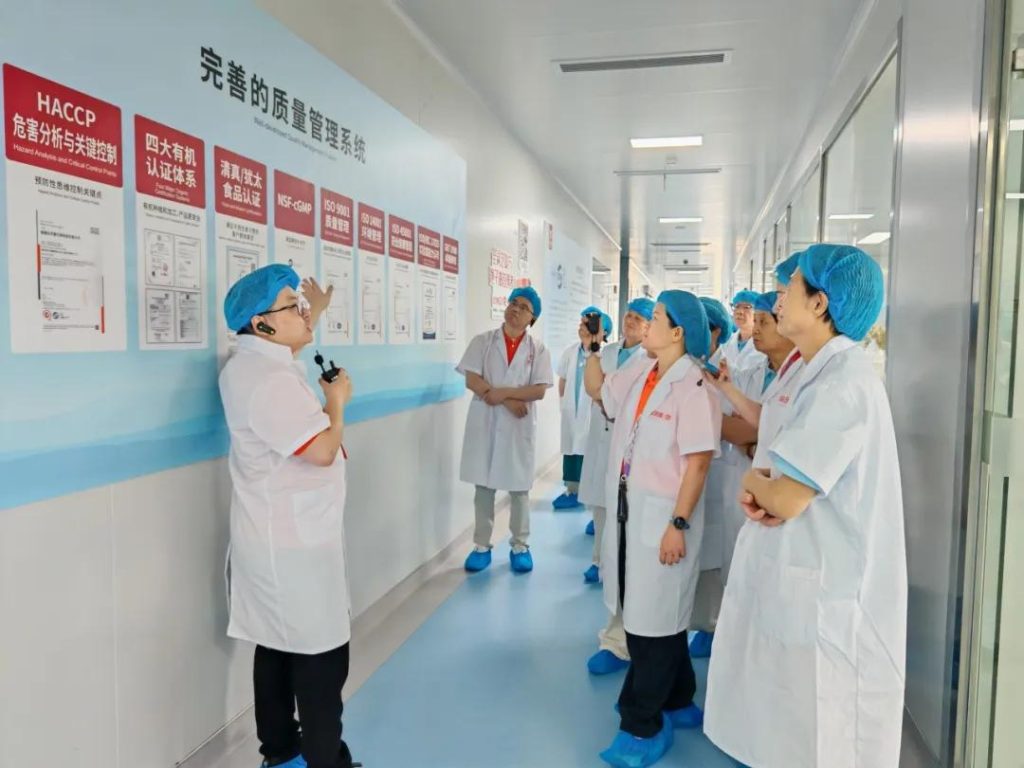
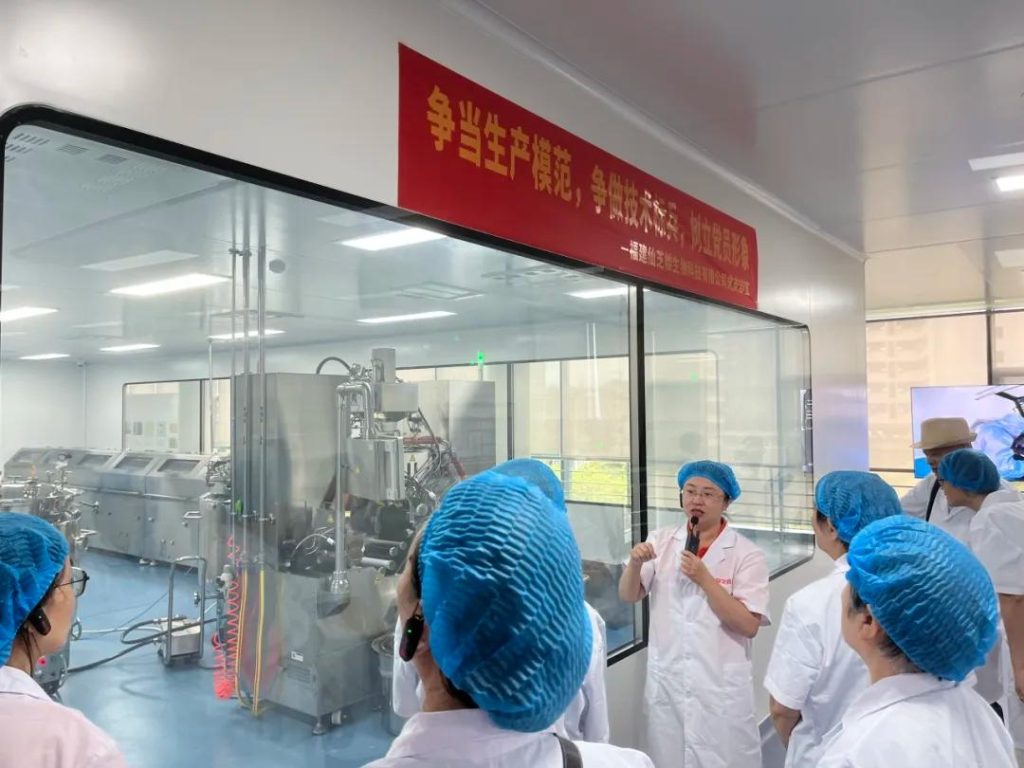
Stop 1: The Fuzhou Factory — A Clear Look Inside a Class 100,000 Clean Workshop
At the GanoHerb Biotech Center, visitors toured a Class 100,000 clean production workshop through a glass corridor and observed the full production flow, incluindo óleo de esporo reishi extração, softgel encapsulation, e embalagem.

The company’s closed extraction system is designed to help protect product quality during processing. Visitors also learned that GanoHerb operates a CNAS-certified laboratory, where raw materials, packaging materials, and finished products are tested according to internal quality standards.
The latest batch of test reports reveals zero detection across 749 pesticide residues and 75 mycotoxins, underscoring the company’s commitment to product safety and quality control.
Stop 2: The Strain Center—Unlocking the “Genetic Code” of Reishi Mushroom
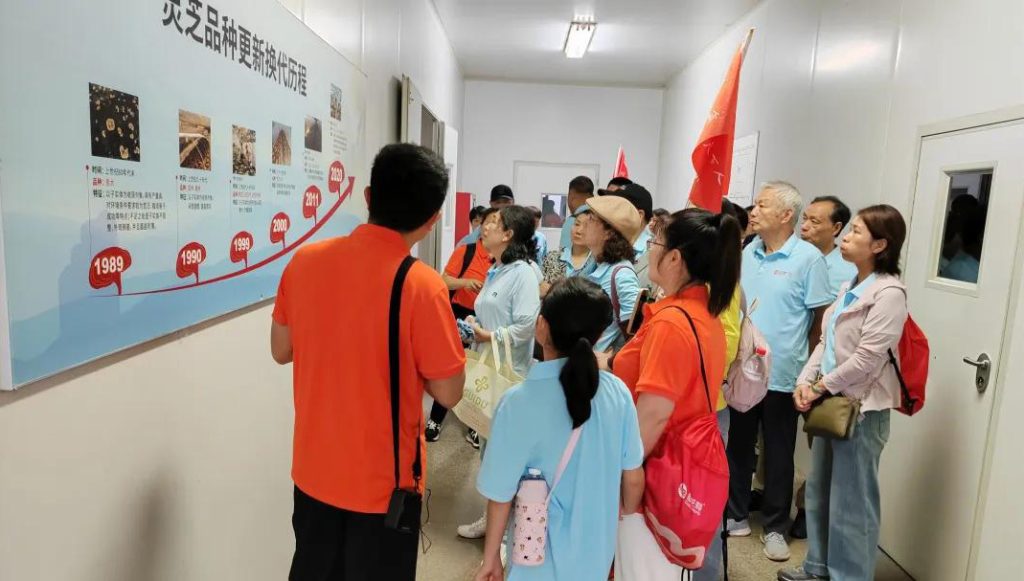
The next stop was the GanoHerb Strain Center in Pucheng, where more than 500 reishi germplasm resources from around the world are collected and preserved.
Aqui, visitors learned about the cultivation and selection process for reishi strains and saw firsthand how autonomous breeding helps support stable production and consistent quality.

Stop 3: The Reishi Cultivation Base — The “One Log, One Reishi” Standard
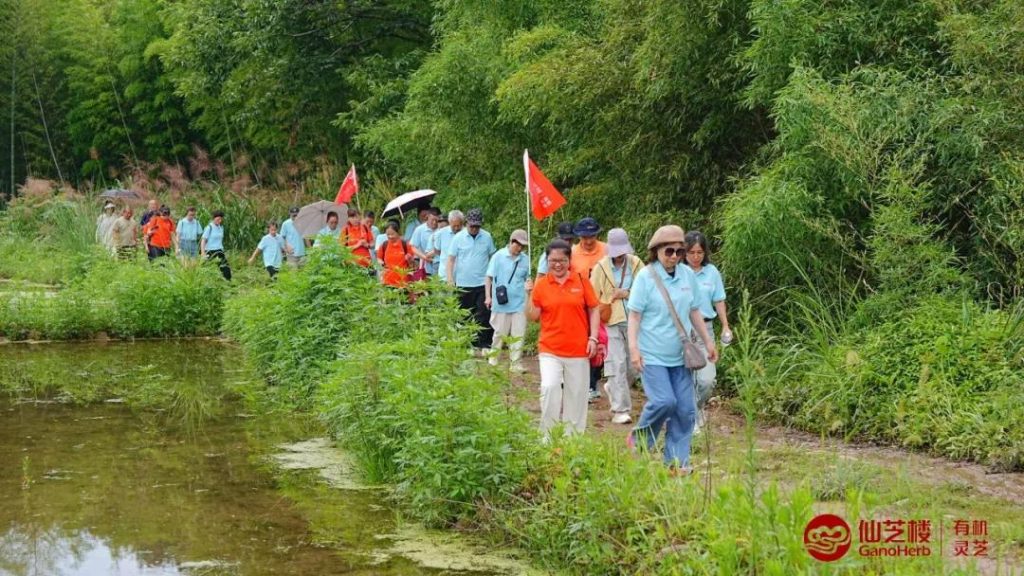

At the cultivation base in the southern foothills of Mount Wuyi, visitors saw reishi mushrooms growing on logs rather than in soil. Each log, medindo cerca de 30 centimeters in diameter, is used to cultivate one reishi mushroom, helping concentrate nutrients into a single fruiting body.
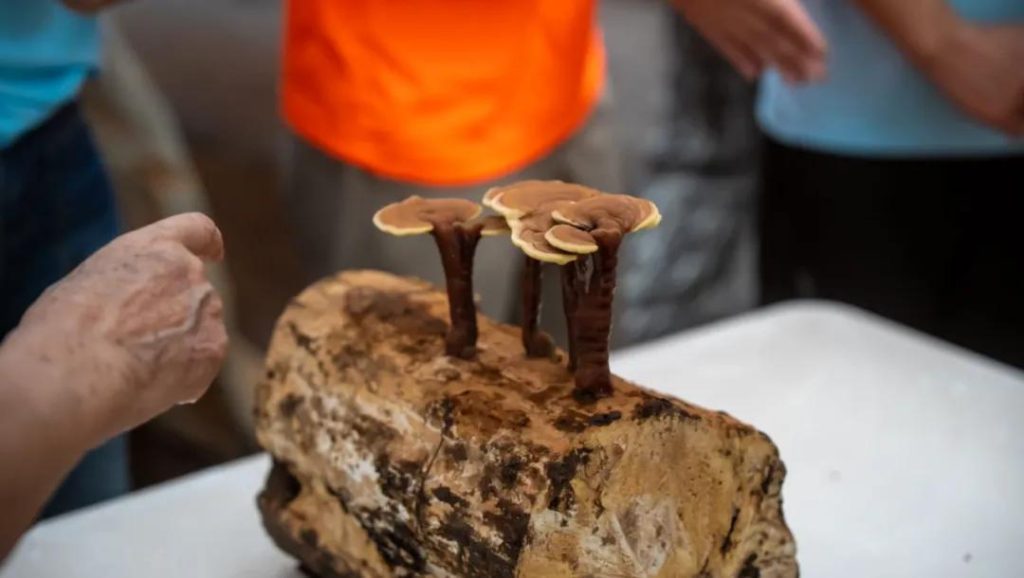
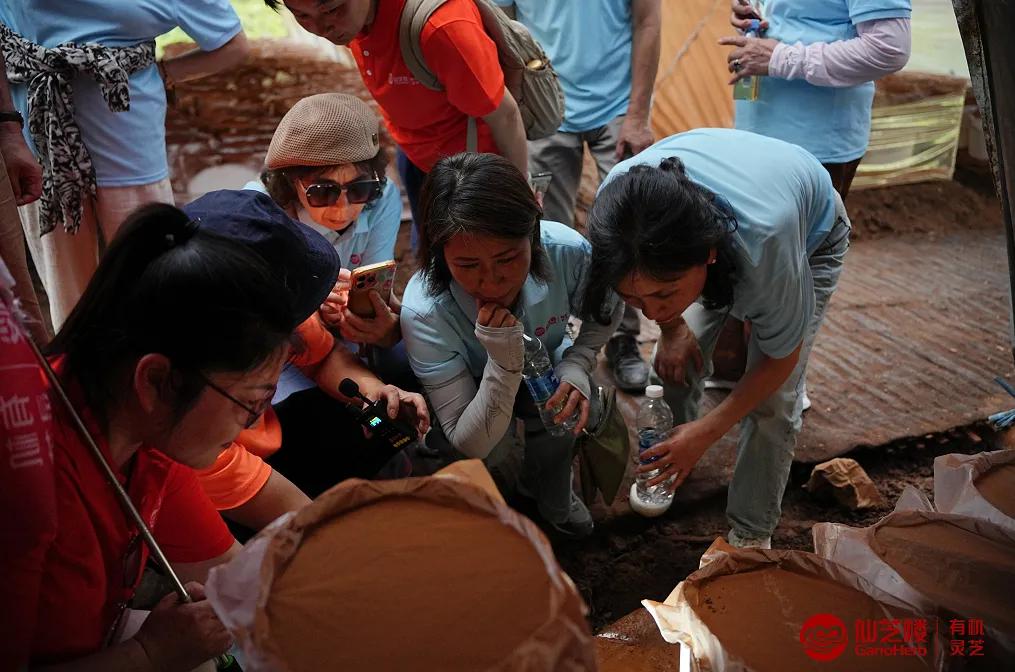
GanoHerb also follows a five-year rotation approach, with land cultivated for two years and then left fallow for three years to help maintain soil health over time. This approach reflects a long-term commitment to sustainable cultivation e responsible land use.
Stop 4: The Reishi Feast — Bringing Reishi into Everyday Meals
The final stop was a wellness-themed banquet featuring reishi-inspired dishes such as Reishi Old Duck Soup and Reishi Abalone Pot. By incorporating reishi into cuisine, the experience showed another way this ingredient can be enjoyed as part of a balanced lifestyle.

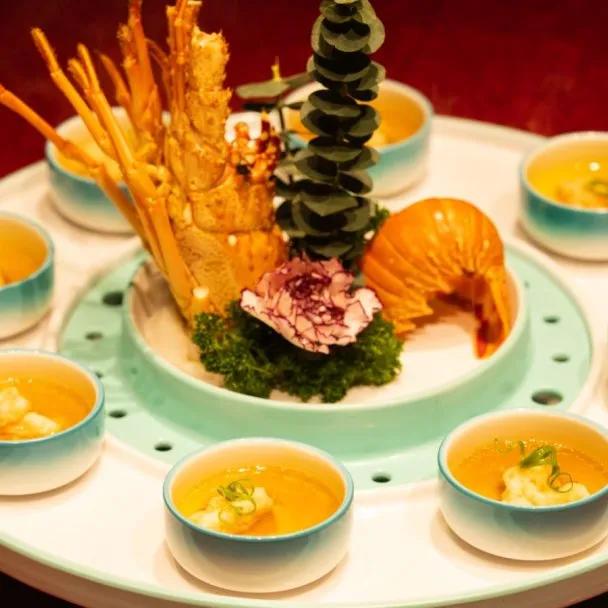
From the clean workshop in Fuzhou to the strain center and cultivation base in Pucheng, and finally to the reishi-inspired banquet, visitors experienced the full source-tracing journey behind a traceable reishi mushroom.
Evidence-based source tracing. Quality you can see. Wellness you can trust.
Este verão, at the most beautiful season for reishi growth, GanoHerb welcomes you to discover the journey from cultivation to final product.


