


In midsummer, hongos reishi appear in their natural beauty, and GanoHerb’s traceability tour began as scheduled. With the theme “Traceable Quality, Responsible Wellness,” the program highlighted the full journey of reishi from cultivation and strain selection to processing, trazabilidad, and culinary use. On June 4, Huaxi Group members from Chengdu and Xi’an joined the first tour group to learn more about the craftsmanship behind traceable reishi products.
The first stop was the Ganoherb Biotech Center, where visitors changed into cleanroom clothing, hats, and shoes before entering the production area. Through the glass corridor, they observed the production process for aceite de esporas de reishi and gained a clearer understanding of the technical standards and quality controls involved. At the traceability code system, participants scanned product codes to view basic product information and inspection records in real time, helping them better understand how traceability supports transparency and consumer confidence.
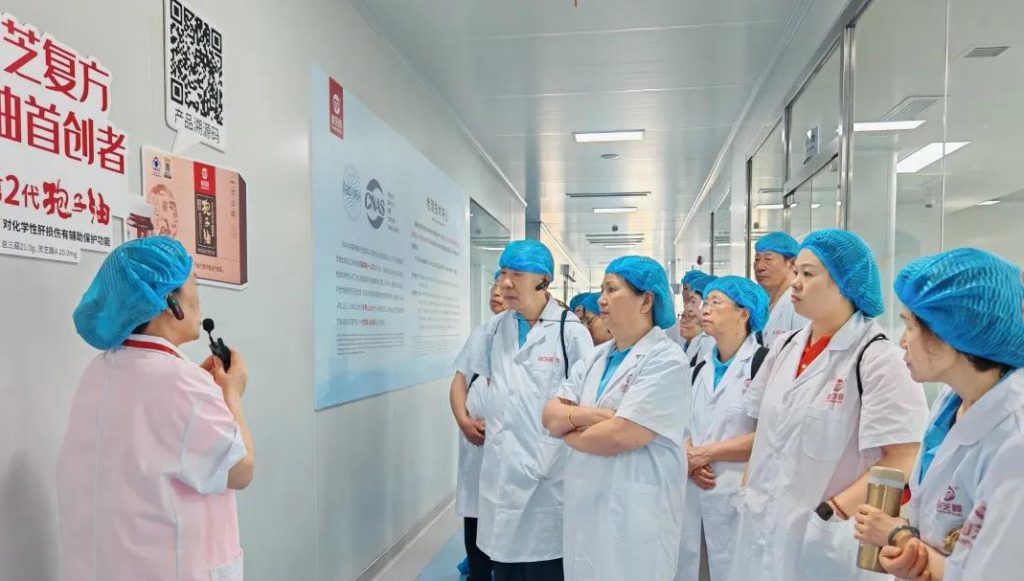


The second stop focused on reishi research and culture. At Professor Zhibin Lin’s Reishi Academic Achievements Hall, the group viewed books, certificates, and research materials that document years of academic work in reishi science and cultivation. The exhibits offered a broader perspective on the development of reishi research and the role of scientific study in supporting product quality and industry growth.

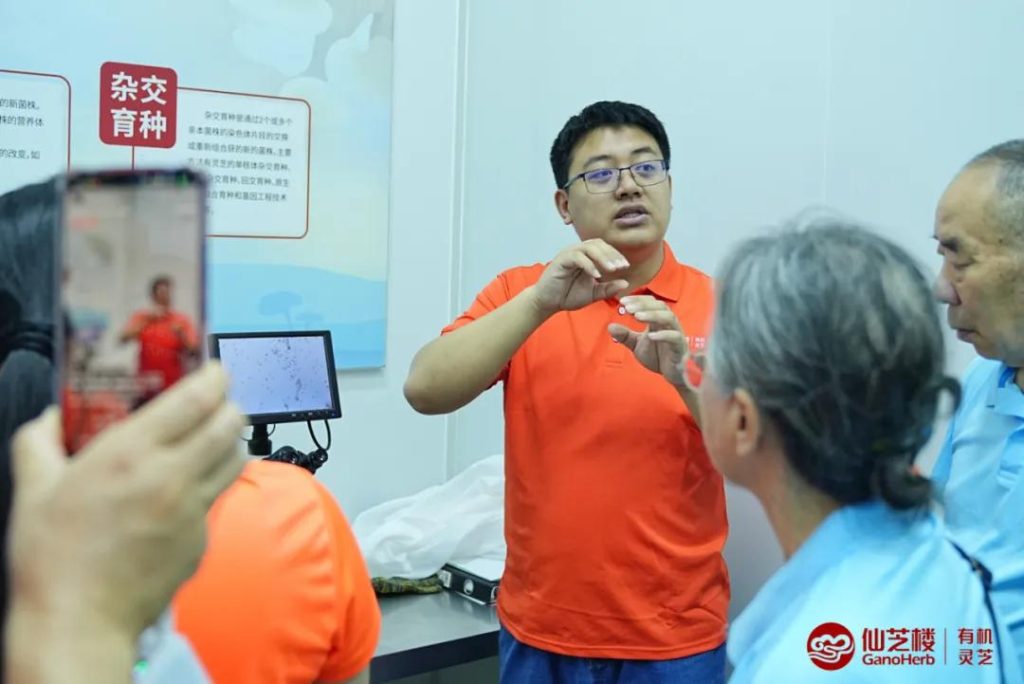
The journey then continued to Pucheng, where the group visited the GanoHerb Technology International Exchange Center and the strain center. Más que 500 reishi germplasm resources are collected and preserved there, covering a wide range of major strains. Staff members explained that each strain is activated, purified, and divided for preservation and cultivation trials, helping maintain stable breeding standards and support consistent quality at the source.
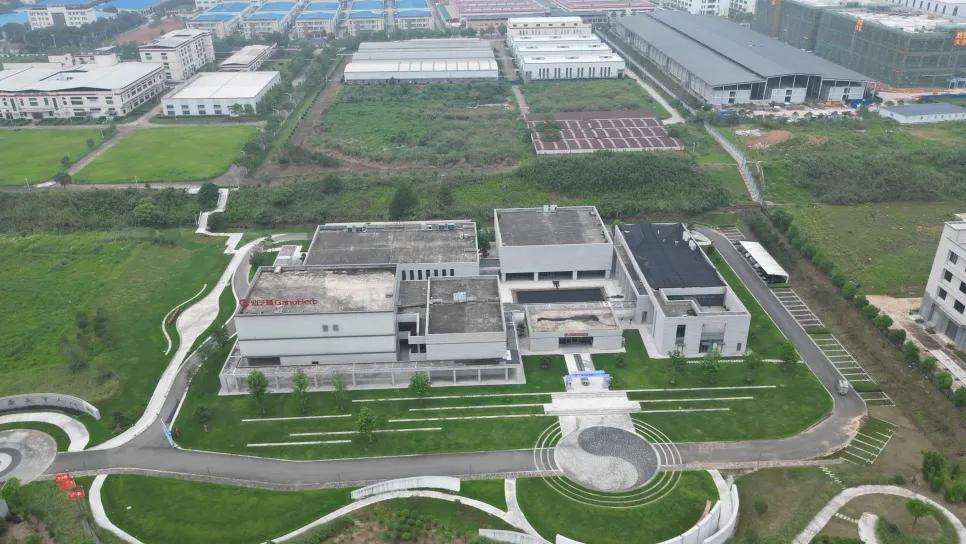
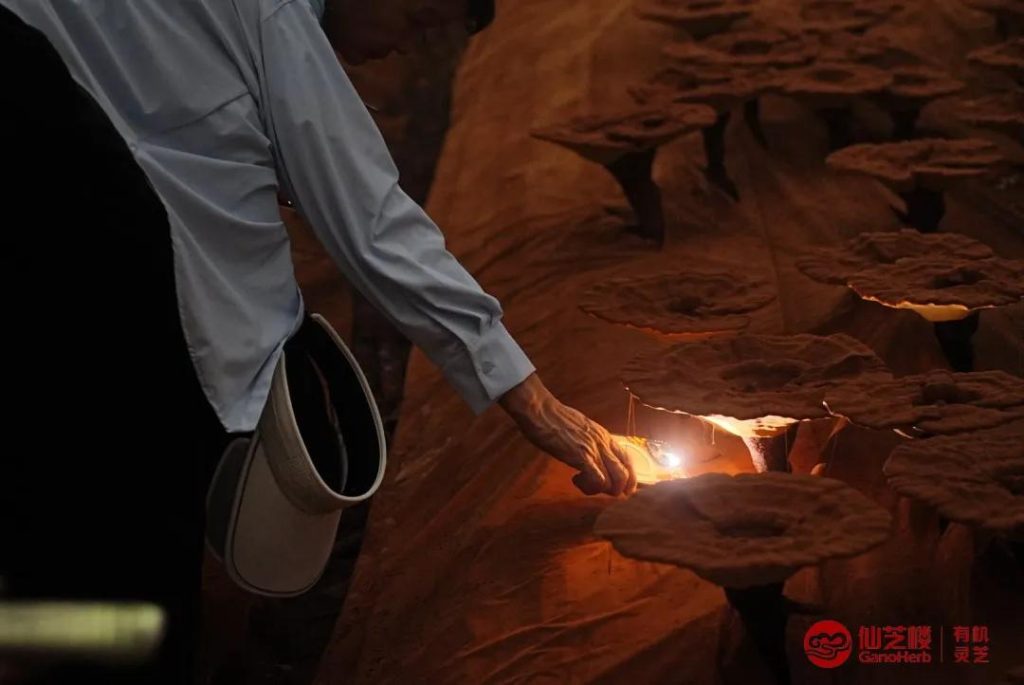
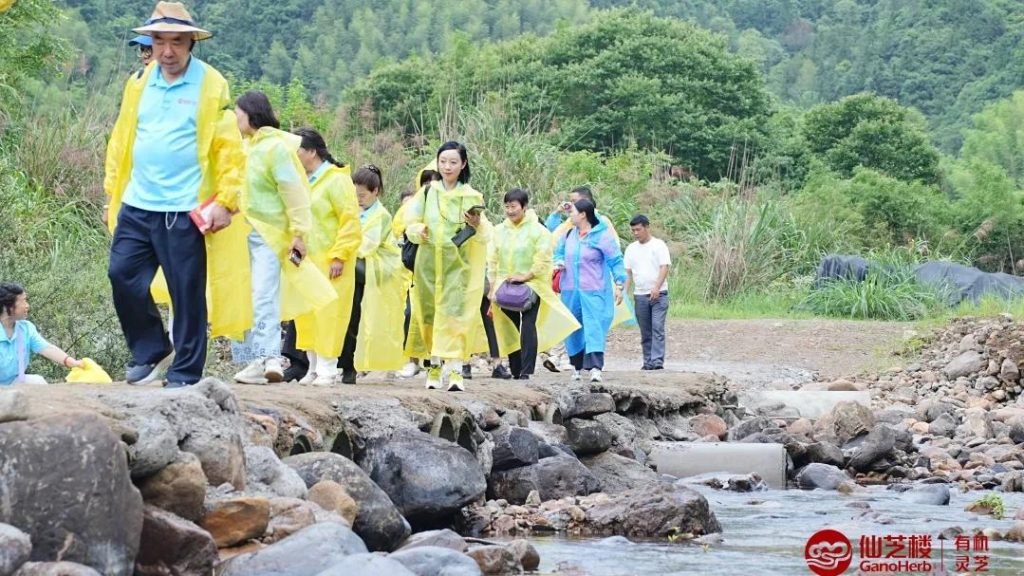
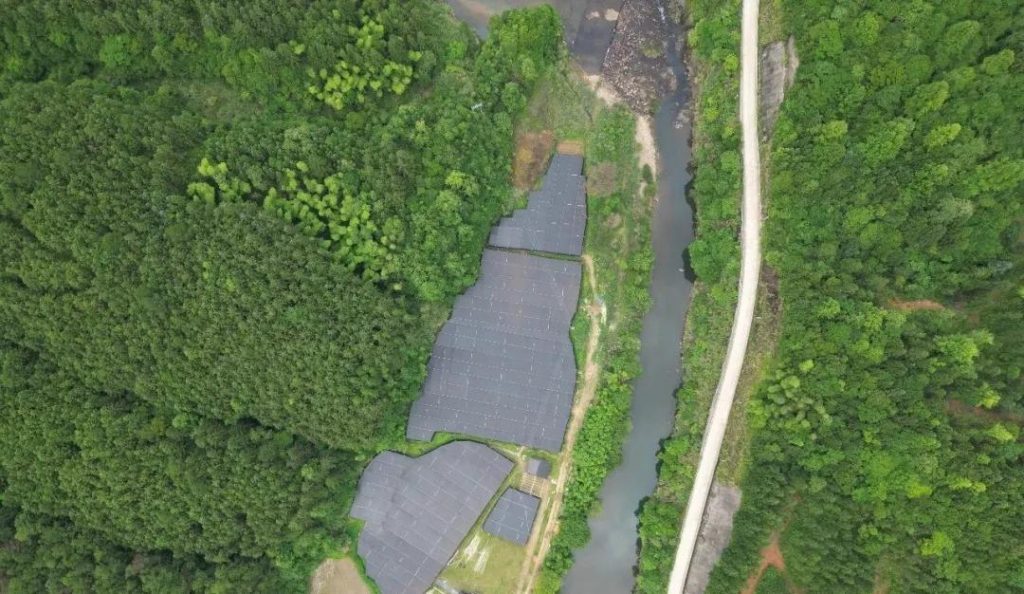
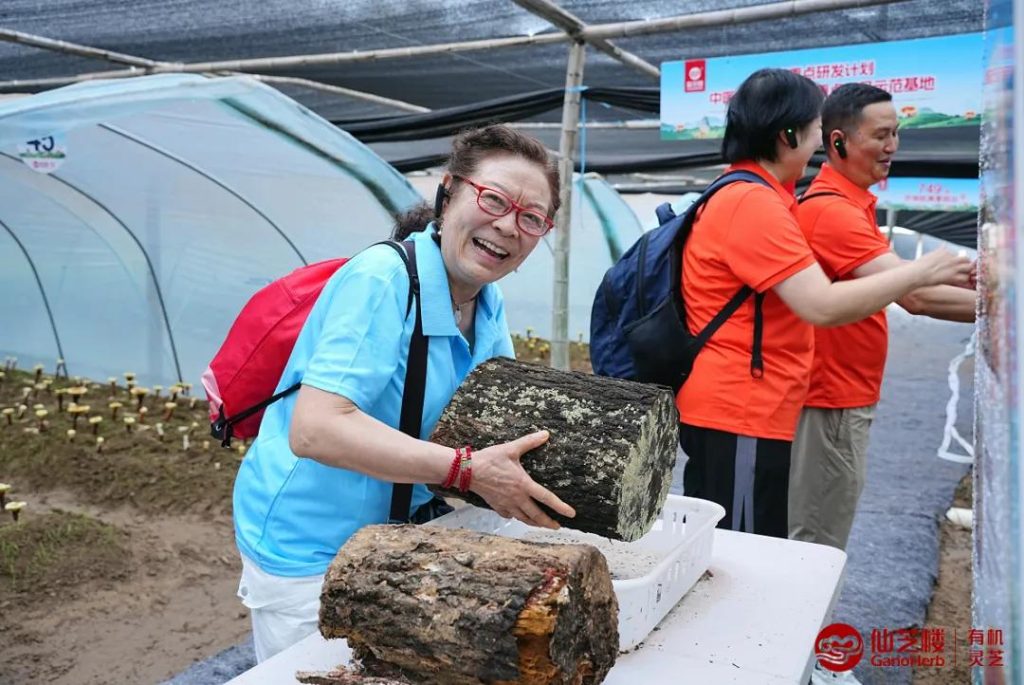
The final field visit brought the group into the forests of Mount Wuyi, where GanoHerb’s cultivation base is located. The site was selected according to strict environmental standards, with careful attention to distance from residential areas and main roads, as well as long-term land management practices. The base follows a rotation system of 2-year cultivation and 3-year fallow periods to help maintain soil condition and reduce potential risks such as pests, diseases, and residue accumulation. Visitors also saw the “one mushroom per log” cultivation method, which reflects a detailed, controlled approach to growing reishi in a natural environment.

The tour concluded with a reishi-themed wellness banquet. Dishes such as reishi and old duck soup and reishi abalone showcased how reishi can be incorporated into everyday meals in a practical and culinary way. Rather than focusing only on processed products, the banquet demonstrated another dimension of reishi use: food culture and lifestyle application.
The Huaxi Group’s visit ended in a relaxed and cheerful atmosphere, but the story of traceable reishi quality continues. Future tours will welcome members from Ningbo, Xiamen, and Hangzhou, offering more visitors the opportunity to learn how reishi moves from origin to table through careful cultivation, scientific processing, y transparent traceability.
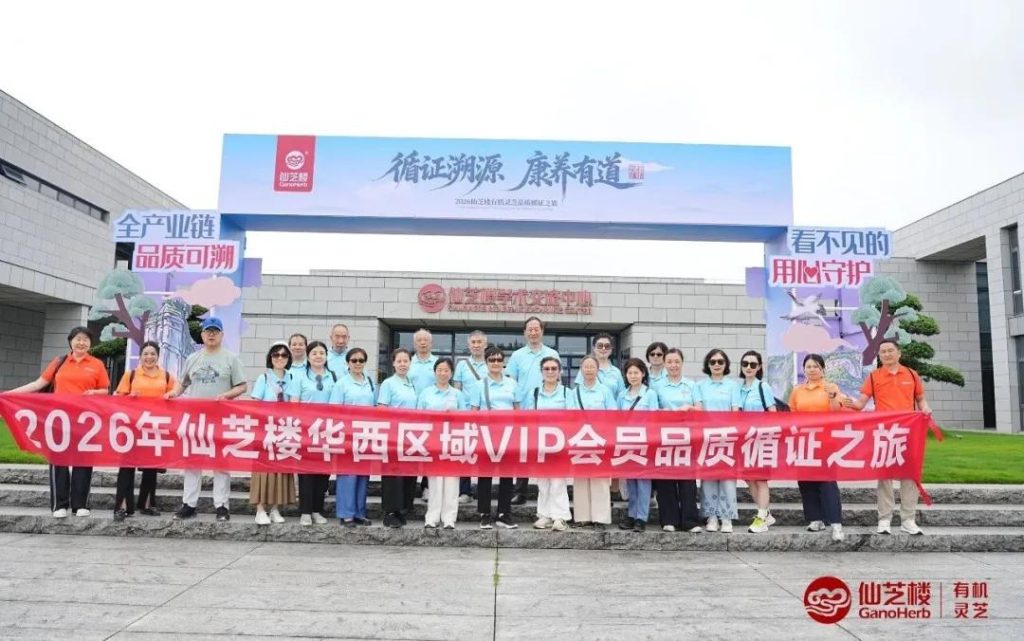
Huaxi Group commemorative photo


