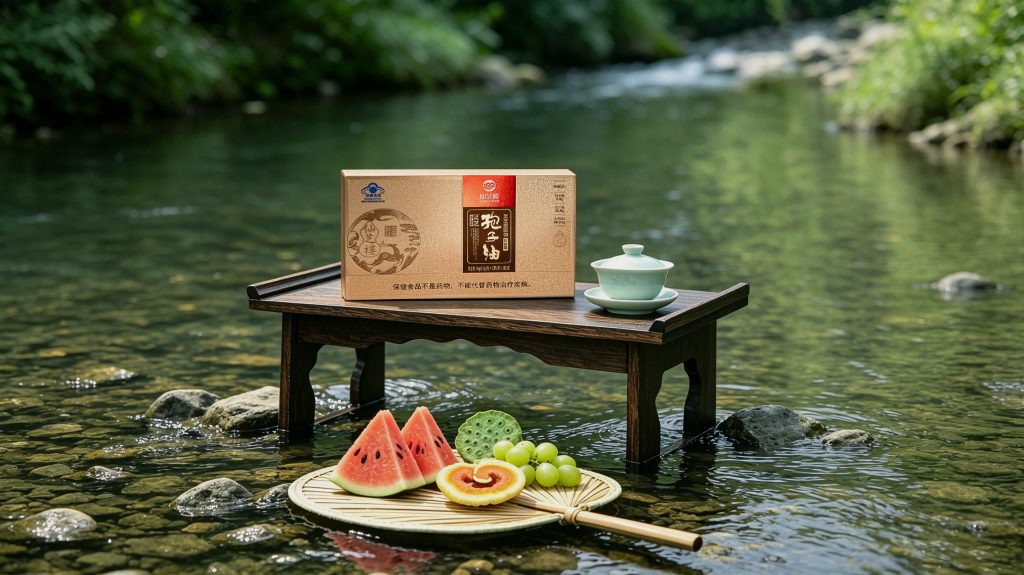


داشو (Great Heat), the 12th solar term in the traditional Chinese calendar, occurs around the middle of the “Middle Dog Days” (Zhongfu) فترة. This time of year is traditionally associated with intense heat, رطوبة, and frequent rainfall. في الثقافة الصينية, summer heat is considered a season when people may feel more easily fatigued or less energetic.
تقليديا, this period has been viewed as an opportunity to focus on self-care, توازن, و seasonal nourishment. By following mindful lifestyle habits and enjoying seasonal foods, you can support overall well-being during the hottest days of summer.
Three Traditional Summer Wellness Principles
- Stay Comfortable in the Heat: Understand Your Body’s Response to Summer Conditions
During extremely hot weather, prolonged exposure to high temperatures and التعرق الزائد may leave people feeling tired or uncomfortable.
Traditional summer wellness practices include:
- Move to a cooler environment when feeling overheated.
- Drink water regularly and stay hydrated.
- Avoid sudden temperature changes, such as moving directly from extreme outdoor heat into very cold environments.
- Enjoy warm beverages and seasonal foods according to personal preference.
In traditional Chinese wellness practices, ingredients such as ginger are often enjoyed during humid summer conditions as part of seasonal eating habits.
- Maintain Calm and Relaxation: A Peaceful Mind Supports Overall Wellness
Hot weather can affect mood, جودة النوم, and daily comfort. Traditional practices emphasize maintaining a calm and balanced lifestyle during summer.
Helpful activities may include:
☑ Practicing meditation, gentle stretching, gardening, قراءة, or listening to music.
☑ Enjoying seasonal vegetables such as bitter melon and leafy greens as part of a balanced diet.
☑ Drinking traditional herbal teas, such as Reishi and chrysanthemum tea, as part of a relaxing daily routine.
- Care for Digestive Comfort: Choose Gentle, Seasonal Foods
During hot weather, many people enjoy cold beverages and chilled foods. Some traditional wellness approaches suggest choosing warm, easy-to-digest meals when preferred.
Traditional Chinese dietary wisdom often highlights congee and soups as comforting seasonal foods that are gentle and nourishing.
Traditional Summer Recipes
These recipes are inspired by traditional Chinese seasonal eating practices and are intended as part of a balanced diet.
ريشي, Winter Melon, and Lean Pork Congee
Traditional inspiration: A light and comforting summer meal.
مكونات:
5 grams Reishi slices
Winter melon (appropriate amount)
Lean pork or ribs (appropriate amount)
Salt, according to taste
تحضير:
Simmer the ingredients together until they form a soft congee. Add salt before serving.
Smoked Plum Three-Bean Drink
Traditional inspiration: A refreshing summer beverage made with beans and smoked plum.
مكونات:
5 dried smoked plums (wu mei)
30 grams each of mung beans, فاصوليا حمراء, والفاصوليا السوداء
تحضير:
Bring ingredients to a boil, then simmer over low heat for approximately 40–50 minutes. Enjoy warm or cooled according to preference.
Ginger and Jujube Tea
Traditional inspiration: A warming beverage commonly enjoyed in traditional Chinese dietary practices.
مكونات:
5 مواعيد حمراء (jujubes)
3 شرائح من الزنجبيل الطازج
تحضير:
Boil ingredients with water and enjoy as a tea.
ملحوظة: Individual responses to foods and herbs may vary. People who are pregnant, taking medications, or managing health conditions should consult a qualified healthcare professional before making significant dietary changes or using herbal products.
Dashu has arrived, and summer is gradually approaching its transition into the next season.
Consider gathering with friends, finding a peaceful place, and enjoying a relaxing cup of traditional tea.
By staying comfortable, متوازن, and mindful of seasonal habits, we can welcome the final days of midsummer with calm and appreciation.