


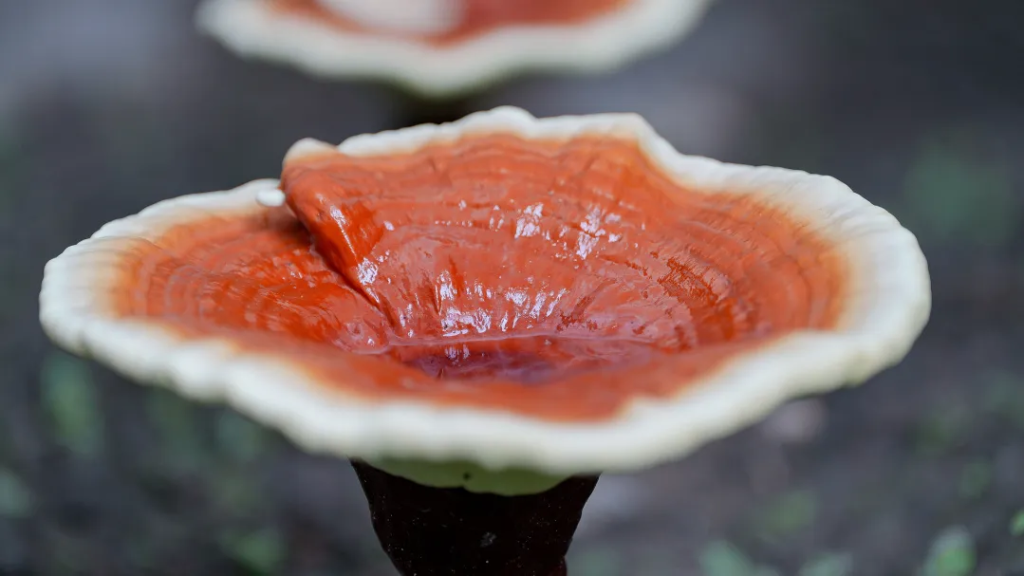
Ganoderma (Também conhecido como Lingzhi ou Reishi) has been valued for centuries in Traditional Chinese Medicine (TCM) and Chinese culinary traditions. In classical TCM texts, Ganoderma is traditionally described as “entering the Heart Meridian,” reflecting a historical system of categorizing herbs within TCM theory.
TCM concepts such as the Heart Meridian and Shen are part of a traditional wellness philosophy and are not equivalent to modern anatomical structures or physiological functions. These traditional descriptions are based on historical practices and should not be interpreted as scientific evidence of effects on the human body or as claims to diagnose, tratar, cura, ou prevenir qualquer doença.
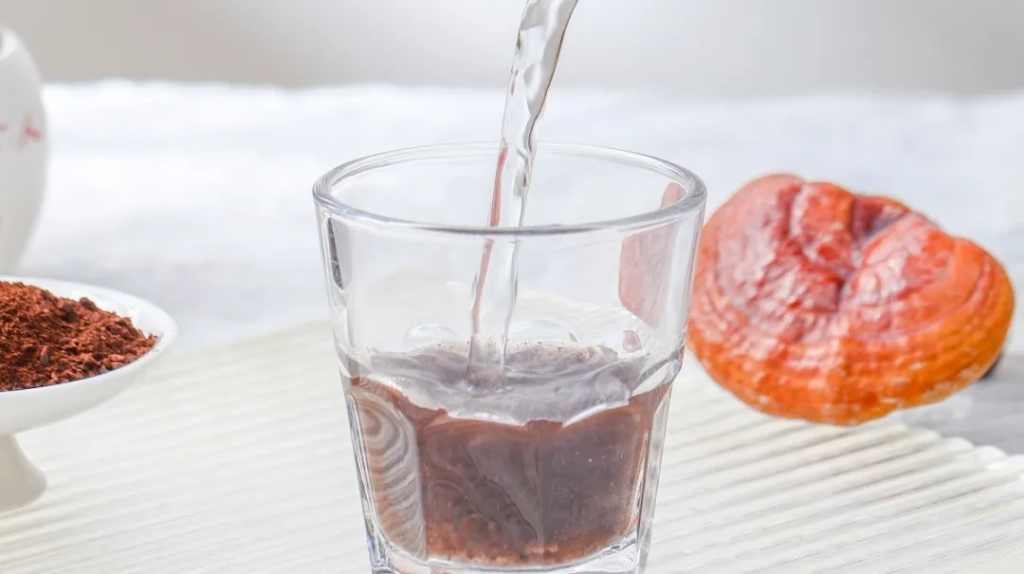
Hoje, Ganoderma continues to be enjoyed in soups, chás, and other traditional recipes as part of Chinese culinary heritage e seasonal food culture.
1. Ganoderma & Sour Jujube Seed Tea
A Traditional Herbal Beverage
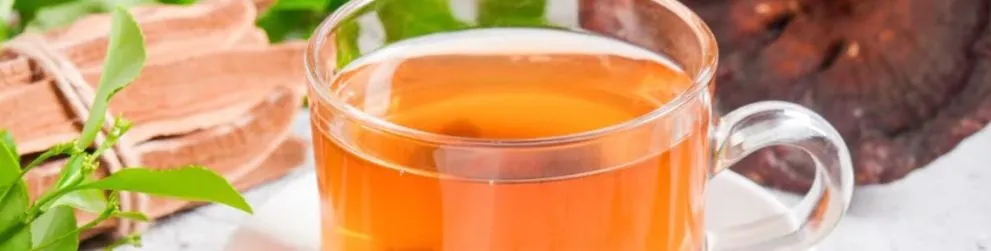
Ingredientes
5 g Ganoderma slices
10 g sour jujube seeds (Suan Zao Ren)
Preparação
Simmer the ingredients in water for approximately 20–30 minutes. Strain and enjoy as a traditional herbal beverage.
2. Ganoderma, Semente Coix & Winter Melon Soup
A Traditional Summer Soup
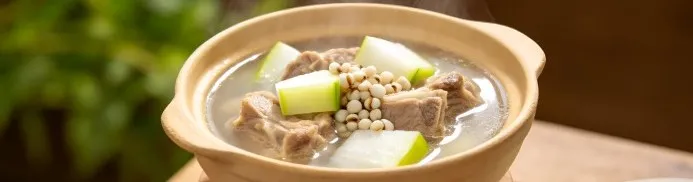
Ingredientes
15 g Ganoderma slices
30 g sementes de coix (Job’s tears)
500 g winter melon
Pork ribs or lean pork (optional)
Preparação
If using pork, blanch briefly before cooking. Simmer the pork, Ganoderma, and coix seeds for approximately 40 minutos. Add the winter melon and continue cooking for about 20 minutes before serving.
3. Ganoderma Pork Heart Soup
A Traditional Double-Boiled Soup

Ingredientes
10 g Ganoderma slices
1 pork heart
3–5 red dates
A small amount of dried longan
3 slices fresh ginger
Preparação
Blanch the pork heart, then combine all ingredients in a double boiler. Add water and simmer for approximately 2 horas.
Isenção de responsabilidade: These recipes are provided for cultural, culinary, and educational purposes only. References to Traditional Chinese Medicine reflect historical and traditional practices and have not been evaluated by the U.S. Food and Drug Administration. This information is not intended to diagnose, tratar, cura, ou prevenir qualquer doença.


