


그 2026 가노허브 Reishi Source-Tracing Tour has officially begun. 6월 1, 거의 100 판위 참가자들, 주하이, 후이저우, 심천은 Reishi 재배를 중심으로 한 3일간의 소스 추적 경험을 위해 GanoHerb를 방문했습니다., 가공, 연구, 그리고 음식문화.
'증거 기반 추적'이라는 주제로 진행, 지혜를 담은 웰빙,” 투어를 통해 방문객에게 GanoHerb의 엔드투엔드 품질 관리 접근 방식을 소개했습니다.:
부담: Self-Developed → Land: Self-Selected → Reishi: Self-Grown → Factory: Self-Built → Product: Self-Developed → Quality: Self-Tested.
Stop 1: Pucheng, Nanping — Discovering the Reishi Strain Center
The first stop brought the group to GanoHerb’s strain center in Pucheng, 난핑.

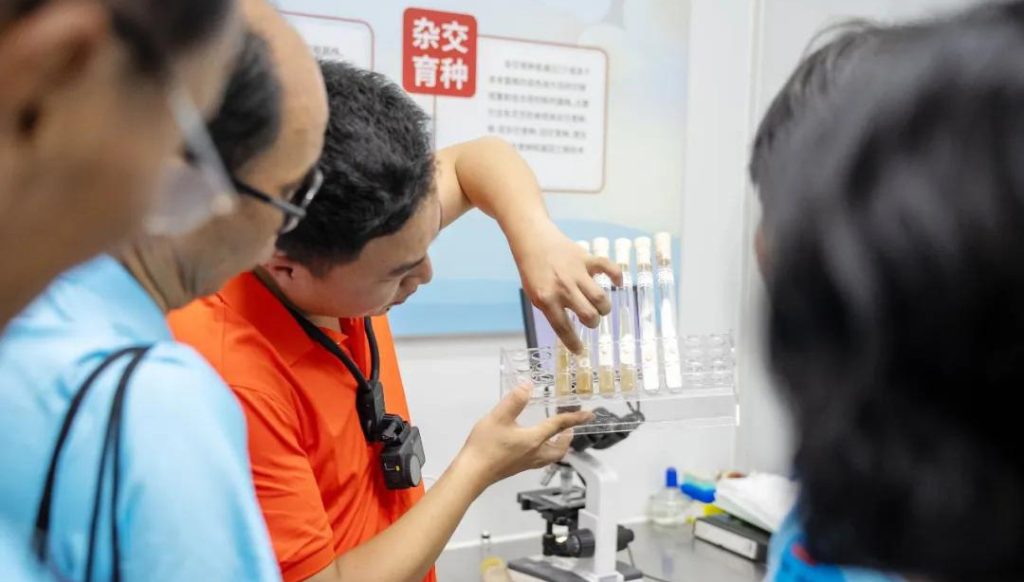
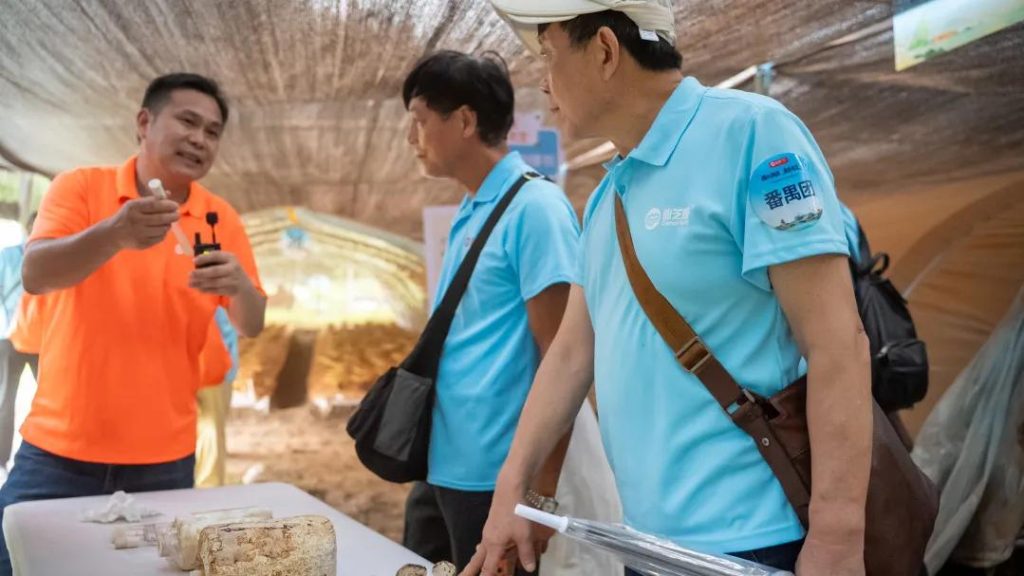
Reishi quality begins with strain selection. At the breeding and fruiting experiment centers, visitors learned how GanoHerb develops and refines strains through its own research and cultivation process. From strain-stage research to fruiting observation, each step reflects a focus on consistency, 추적성, and cultivation know-how.
Stop 2: Wuyi Mountain Area — Visiting the Reishi Cultivation Base
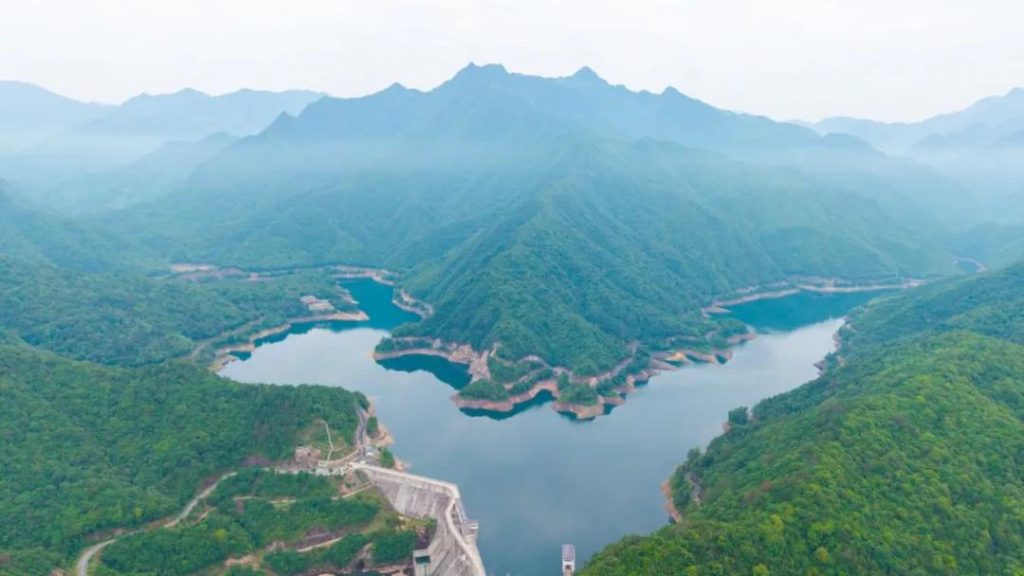
The journey continued into the Wuyi Mountain area, where visitors toured GanoHerb’s cultivation base surrounded by natural scenery and forest landscapes.

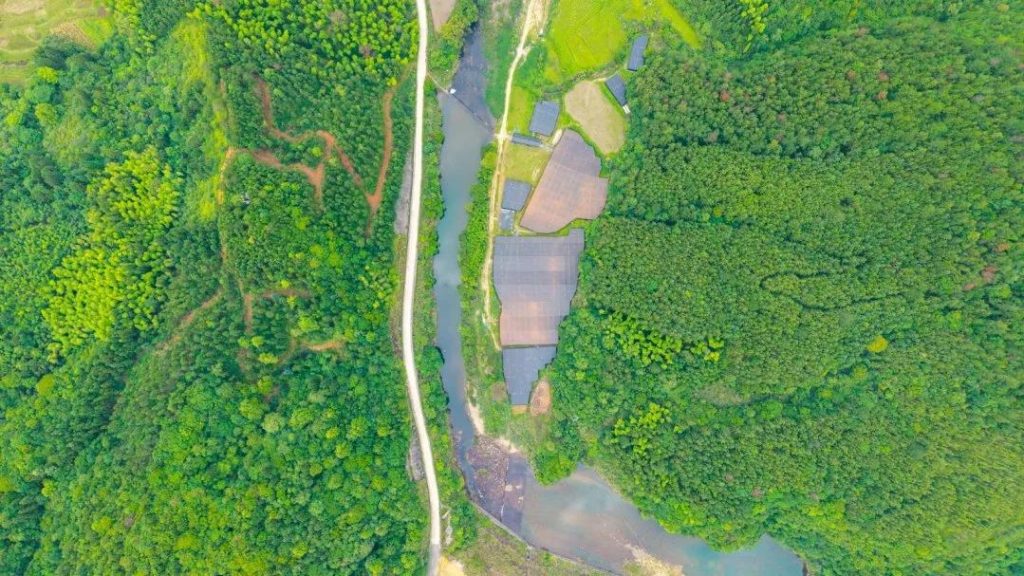
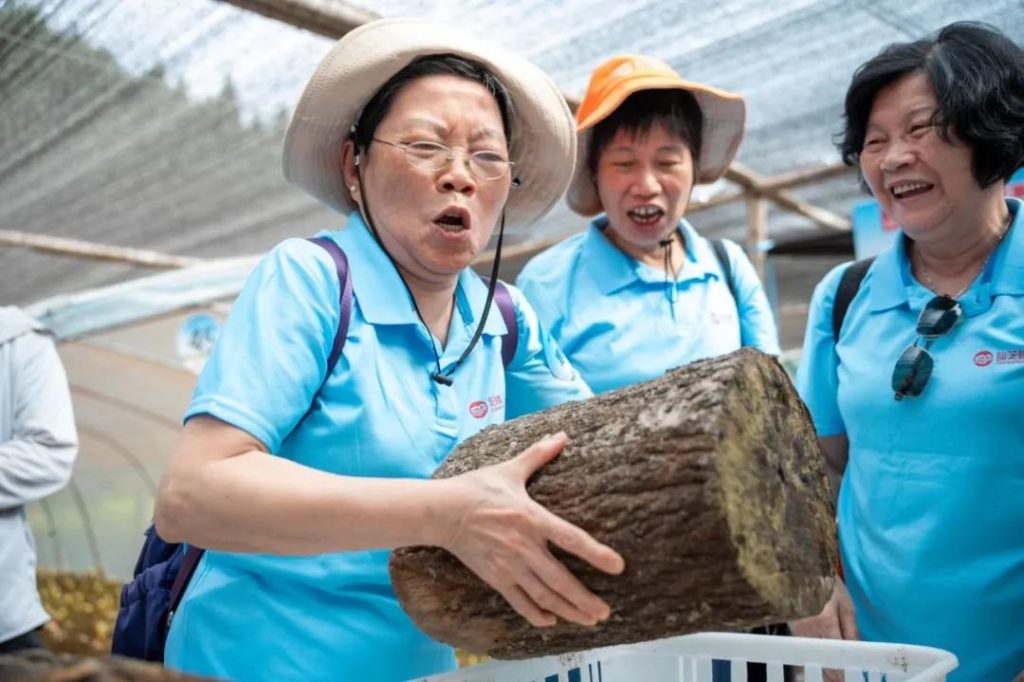
GanoHerb describes its land-selection standard as “Land: Self-Selected.” The cultivation areas are chosen with attention to environmental conditions such as soil, 물, and air quality. The company also emphasizes “Reishi: Self-Grown,” using log-based cultivation and manual field management practices.
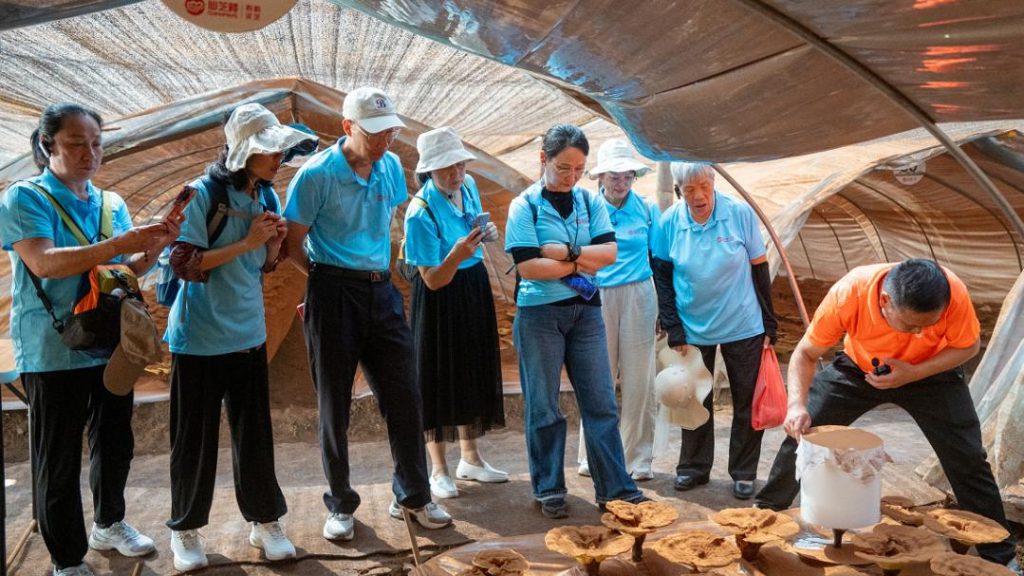

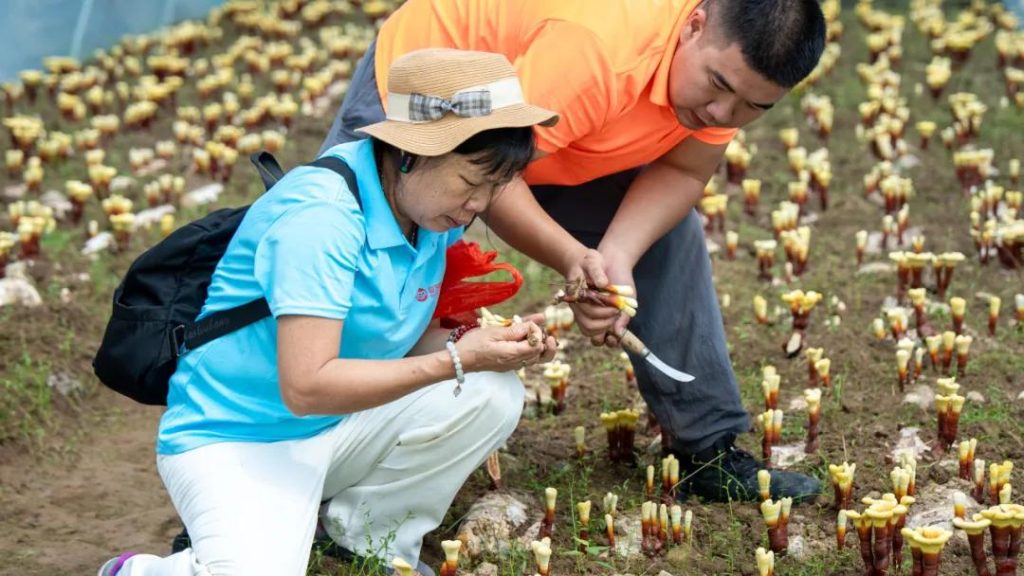
Participants observed the trimming process and took part in a hands-on cultivation experience, gaining a closer look at how Reishi is grown and cared for on-site.
Stop 3: The Biotech Center — From Spore Powder to Spore Oil
At the GanoHerb Biotech Center, visitors followed the production journey from harvested spore powder to 포자유.
Through a viewing corridor, participants observed the extraction workflow and learned about GanoHerb’s production system, which is designed around transparency and full-process oversight.


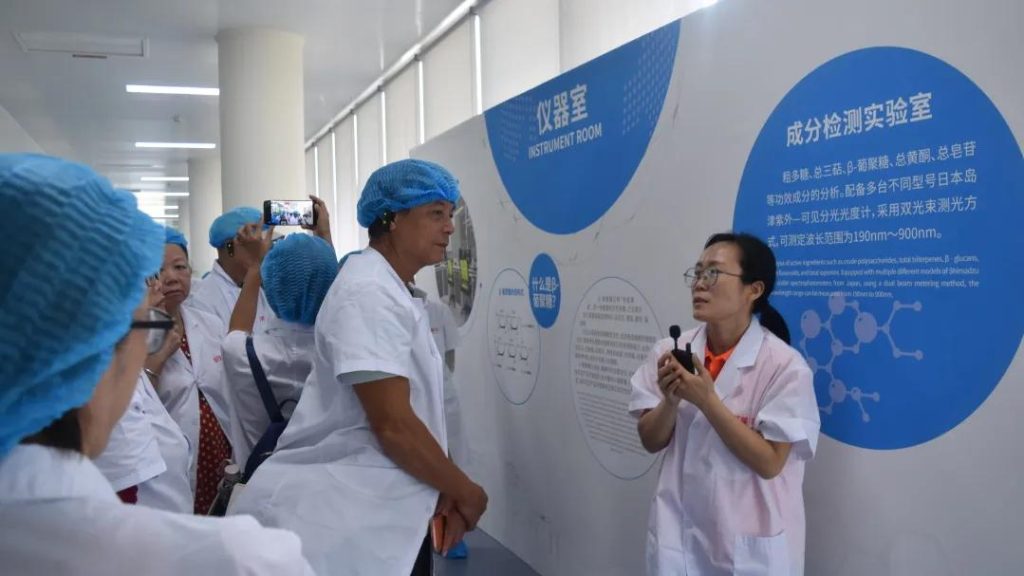
The company highlighted:
공장: Self-Built
제품: Self-Developed
품질: Self-Tested
The tour also introduced its production and testing framework, 포함 in-house quality checks and third-party verification, along with traceability codes that allow consumers to follow the product pathway.
Stop 4: Reishi Academic Achievements Hall of Prof. Zhibin Lin
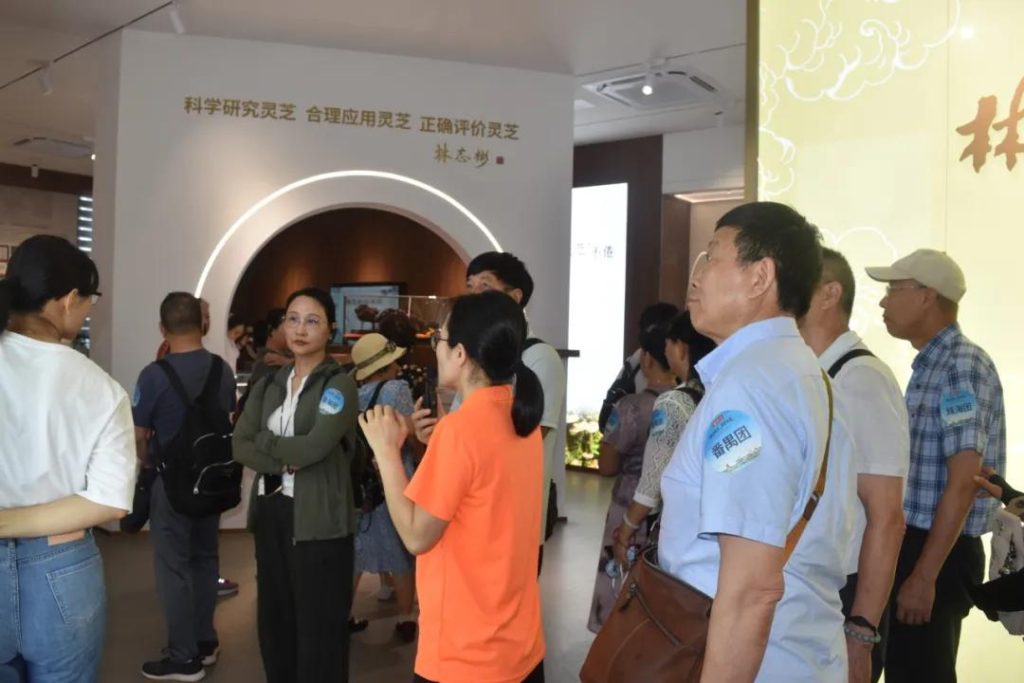
The group then visited the Reishi Academic Achievements Hall of Prof. Zhibin Lin, where manuscripts, research notes, and experimental records were displayed.
The exhibition presented decades of academic work and helped visitors understand the research background behind GanoHerb’s Reishi development efforts.

Stop 5: Reishi Cuisine Experience
The final stop featured a Reishi-themed dining experience with dishes and beverages inspired by traditional food culture.
The menu included Reishi old duck soup, Reishi tea drinks, and Reishi pastries, offering visitors a culinary way to experience the brand’s wellness-inspired food concept.


A Seasonal Invitation
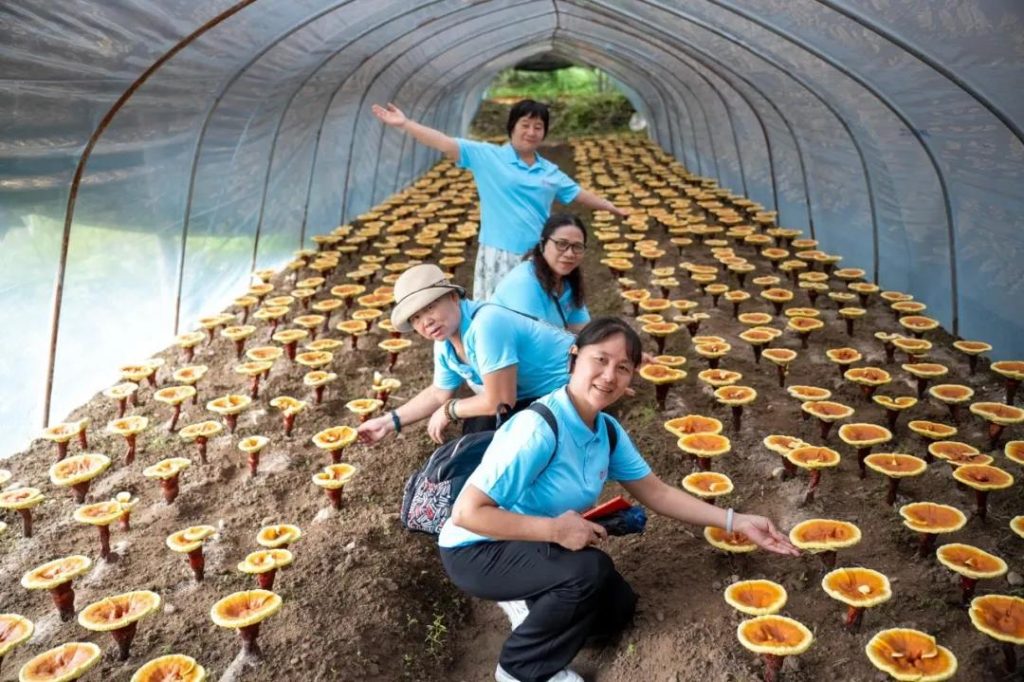
At this time of year, the Pucheng Reishi base is in full bloom, creating a vivid landscape for visitors and source-tracing tours.
GanoHerb welcomes visitors from across China to experience its traceable Reishi journey—from strain development and cultivation to processing, 연구, and cuisine.
More source-tracing tours from Chengdu, 충칭, 베이징, 푸저우, and other cities will continue in the coming months.
Evidence-Based Tracing, 지혜를 담은 웰빙.
Your next Reishi journey begins here.


