


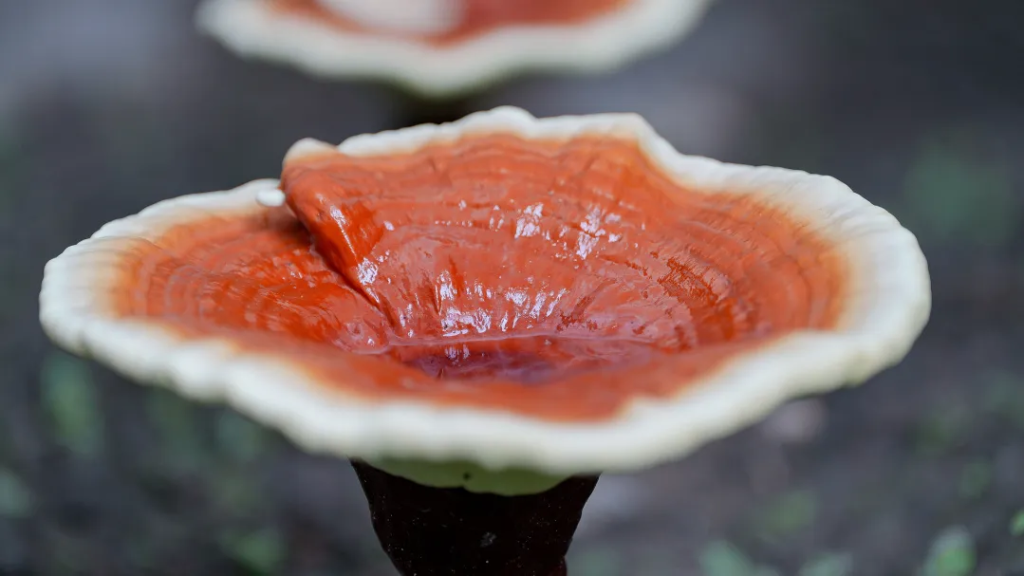
霊芝 (としても知られています 霊芝 または Reishi) 伝統的な中国医学では何世紀にもわたって評価されてきました (中医学) そして中国料理の伝統. 中医学の古典では, 霊芝 is traditionally described as “心臓の経絡に入る,” TCM 理論におけるハーブの分類の歴史的体系を反映したもの.
TCM concepts such as the Heart Meridian and シェン are part of a traditional wellness philosophy and are not equivalent to modern anatomical structures or physiological functions. These traditional descriptions are based on historical practices and should not be interpreted as scientific evidence of effects on the human body or as claims to diagnose, 扱う, 治す, あるいはあらゆる病気を予防する.
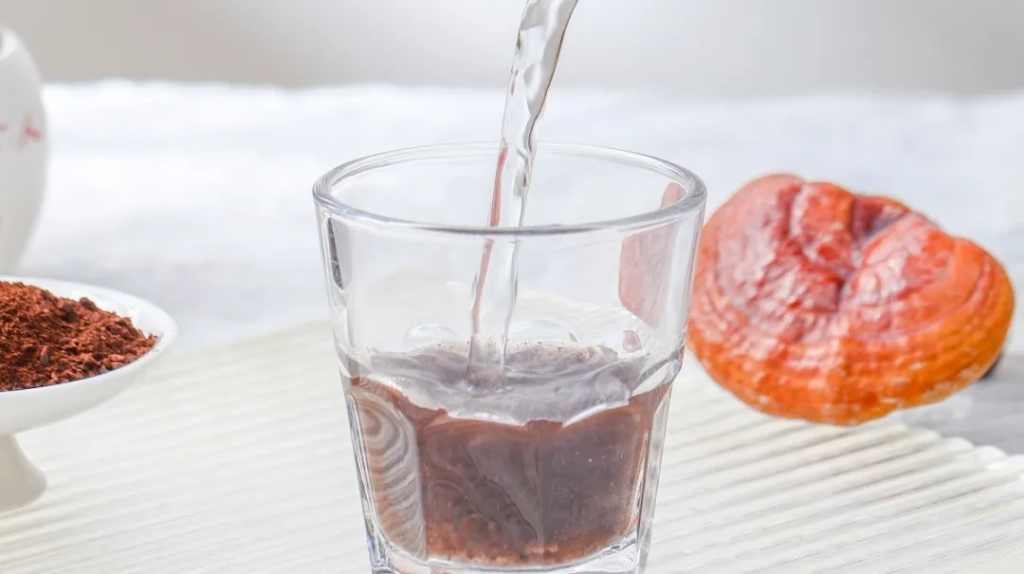
今日, 霊芝 continues to be enjoyed in soups, お茶, and other traditional recipes as part of Chinese culinary heritage そして seasonal food culture.
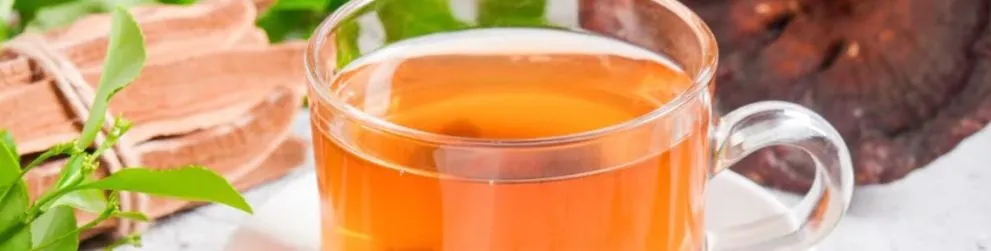
1. 霊芝 & Sour Jujube Seed Tea
A Traditional Herbal Beverage
材料
5 g Ganoderma slices
10 g sour jujube seeds (Suan Zao Ren)
準備
Simmer the ingredients in water for approximately 20–30 minutes. Strain and enjoy as a traditional herbal beverage.
2. 霊芝, ハトムギ & Winter Melon Soup
A Traditional Summer Soup

材料
15 g Ganoderma slices
30 g ヨクイニン (Job’s tears)
500 g winter melon
Pork ribs or lean pork (optional)
準備
If using pork, blanch briefly before cooking. Simmer the pork, 霊芝, and coix seeds for approximately 40 分. Add the winter melon and continue cooking for about 20 minutes before serving.
3. Ganoderma Pork Heart Soup
A Traditional Double-Boiled Soup

材料
10 g Ganoderma slices
1 pork heart
3–5 red dates
A small amount of dried longan
3 slices fresh ginger
準備
Blanch the pork heart, then combine all ingredients in a double boiler. Add water and simmer for approximately 2 時間.
免責事項: These recipes are provided for cultural, 料理の, and educational purposes only. References to Traditional Chinese Medicine reflect historical and traditional practices and have not been evaluated by the U.S. 食品医薬品局. This information is not intended to diagnose, 扱う, 治す, あるいはあらゆる病気を予防する.


