


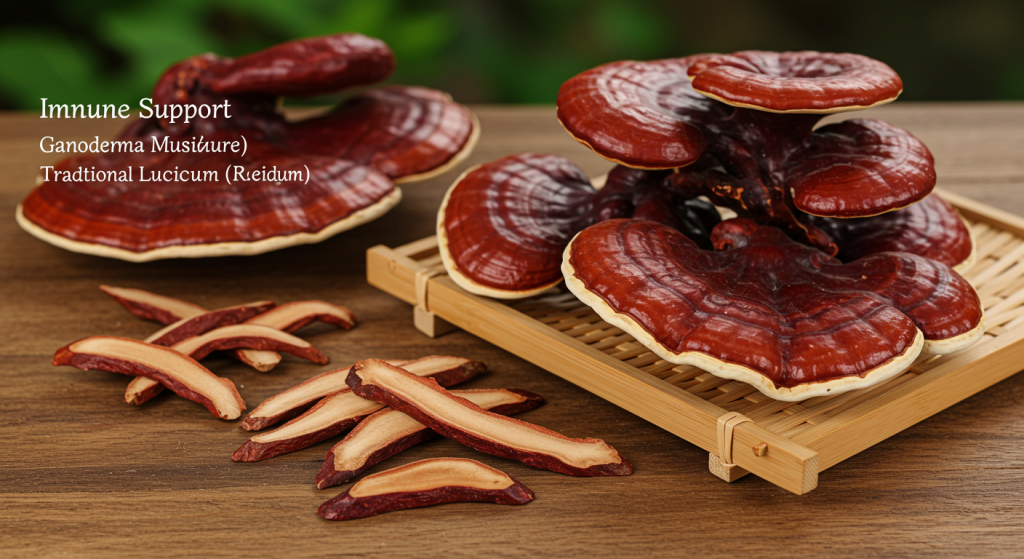
Le champignon Ganoderma Reishi, célébré comme le “Champignon d'immortalité,” est la pierre angulaire de la santé holistique depuis des siècles. Known scientifically as Ganoderma lucidum, ce champignon remarquable est apprécié pour ses composés bioactifs : les polysaccharides, triterpènes, et les bêta-glucanes, qui peuvent renforcer l'immunité, soulager le stress, et favoriser le bien-être général. The transformation from natural growth to potent wellness products depends on specialized Ganoderma Reishi mushroom raw material factories, where expert cultivation, sophisticated processing, and rigorous quality standards unite to deliver nature’s finest. This article dives into the intricate operations of these factories, their innovative practices, défis, and vital role in the global health industry, with a reference to trusted sources GanodermaBuy.
The Rich Heritage of Ganoderma Reishi
Ganoderma Reishi’s legacy spans over two millennia, deeply embedded in Asian traditions, notamment en Chine, où on l'appelle Lingzhi, et le Japon, où on l'appelle Reishi. Textes anciens, comme le Shen Nong Ben Cao Jing, un travail fondateur en médecine traditionnelle chinoise (MTC), praise it as a top-tier herb—safe, gentle, and capable of fostering vitality and longevity. En MTC, Reishi was used to harmonize Qi (life energy), soothe the mind, and strengthen the body’s natural defenses. Its symbolic association with immortality and spiritual enlightenment made it a revered icon in cultural narratives and art.
Contemporary science has begun to affirm these traditional beliefs. Research indicates that Ganoderma Reishi may support immune function, réduire l'inflammation, protect against oxidative damage, and aid in stress management. These benefits are attributed to its complex bioactive profile, which is meticulously preserved through the expertise of raw material factories. Far more than production sites, these facilities are stewards of an ancient legacy, integrating traditional knowledge with modern innovation to meet the rising global demand for natural wellness solutions.
Cultivating Ganoderma Reishi: Precision in Nature
Selecting Pristine Growing Conditions
Ganoderma Reishi flourishes in specific environments: chaud, humid climates with unpolluted air, pure water, and fertile soil. Leading factories establish cultivation bases in regions like China’s Qinling Mountains or Fujian Province, renowned for their pristine ecosystems and rich biodiversity. Avant le début de la culture, comprehensive testing of soil, eau, and air ensures the absence of contaminants such as heavy metals, pesticides, ou des polluants industriels. Soil is analyzed for pH, nutrient content, and microbial balance to create an optimal growth medium. This unwavering commitment to environmental purity lays the foundation for premium, organic Reishi production.
Organic Cultivation Practices
Factories supplying platforms Ganodermabuy adhere to stringent organic standards. They cultivate Reishi using natural substrates, comme les bûches de bois dur (typically oak or chestnut) or organic sawdust blended with nutrient-rich additives like rice bran. The process starts with selecting elite fungal strains, chosen for their genetic purity and high bioactive compound content. Ces souches sont inoculées dans le substrat, followed by a controlled incubation period in climate-regulated greenhouses or shaded outdoor plots.
Reishi’s growth unfolds in three key phases:
- Mycelial Development: The fungus’s root-like mycelium spreads through the substrate, establishing the foundation for growth.
- Cap Formation: The mushroom’s iconic cap emerges, marking the onset of bioactive compound synthesis.
- Maturation: The fruiting body fully develops, releasing spores and reaching peak potency.
This cycle, which can span several months, demands patience and expertise. To ensure sustainability, factories rotate cultivation sites and allow soil to rest for years post-harvest, preventing nutrient depletion and maintaining ecological balance.
Emulating Wild Conditions
Some factories adopt wild-simulated cultivation, growing Reishi in near-natural settings, such as forested areas or on logs exposed to seasonal weather patterns. This method encourages the mushroom to produce higher levels of polysaccharides and triterpenes as it adapts to environmental challenges, resulting in a more potent raw material. Wild-simulated Reishi is particularly valued for its robust therapeutic properties, making it a favorite for high-end supplements and extracts.
Harvesting Ganoderma Reishi: A Craft of Timing
Harvesting Reishi is a delicate art that hinges on precision. The fruiting bodies are collected at their peak of maturity, typically when the cap displays a glossy, reddish-brown hue, signaling maximum bioactive compound concentration. Harvesting too early reduces potency, while delaying risks degradation. Trained workers hand-pick the mushrooms to preserve their structure, ensuring they are ready for processing.
Spores, the mushroom’s microscopic reproductive units, are another prized component. They are harvested during a brief window of maturity using specialized techniques, such as enclosing the mushroom in breathable mesh or paper cones to capture the spores as they are released. Factories associated with brands like GanoPure emphasize spore collection for their exceptional polysaccharide content, a key ingredient in immune-supporting products. Spores are handled with care to maintain their integrity and prevent contamination.
Processing Ganoderma Reishi: From Nature to Nutrient
Drying for Longevity
Post-récolte, Reishi undergoes drying to preserve its bioactive compounds and extend shelf life. Factories employ advanced techniques, such as low-temperature convective drying or infrared drying, to remove moisture while safeguarding antioxidants, vitamines, et minéraux. Le séchage infrarouge est particulièrement efficace, as it ensures even heat distribution, minimizing nutrient loss. Temperature and humidity are tightly controlled to prevent overheating, which could compromise the mushroom’s therapeutic properties. Le résultat est un stable, nutrient-dense raw material suitable for further processing.
Extracting Therapeutic Compounds
Extraction is the cornerstone of Reishi processing, where factories isolate the mushroom’s bioactive constituents. Common extraction methods include:
- Extraction de l'eau chaude: Targets polysaccharides and beta-glucans, which are linked to immune modulation and digestive health. Boiling water breaks down cell walls, releasing these water-soluble compounds.
- Extraction d'alcool: Isolates triterpenes and ganoderic acids, connu pour ses propriétés anti-inflammatoires, antioxydant, and liver-supporting properties. Ethanol is typically used to extract these lipid-soluble compounds.
- Double extraction: Combines water and alcohol extraction to capture a broad spectrum of bioactives, creating a versatile raw material for diverse applications.
State-of-the-art factories use techniques like vacuum concentration to protect these compounds from heat and oxidation. Some also employ microwave-assisted or ultrasonic extraction, which enhance yield and efficiency while preserving potency. These methods ensure the raw material is optimized for use in supplements, boissons, et produits de soins de la peau.
Spore Cell-Wall Breaking Technology
Reishi spores are encased in a durable, double-layered chitin shell that limits their bioavailability. Usines leaders, such as those partnered with GanoPure, utilize low-temperature cell-wall breaking technology to crack this shell, atteindre des taux de casse allant jusqu'à 99%. Ce processus, often proprietary, uses mechanical grinding or enzymatic treatments at controlled temperatures to preserve the spore’s delicate compounds. The resulting spore powder is highly bioavailable, making it a powerhouse ingredient in capsules, poudres, et aliments fonctionnels.
Uncompromising Quality Control
Quality is the hallmark of Reishi production. Factories implement rigorous testing protocols at every stage, from cultivation to packaging. Key quality assurance measures include:
- Bioactive Analysis: Chromatographie liquide haute performance (HPLC) et spectrophotométrie ultraviolet-visible (UV-visible) quantifier le polysaccharide, triterpène, and ganoderic acid levels.
- Contaminant Screening: Tests for pathogens, moules, and heavy metals like lead or cadmium ensure safety.
- Strain Verification: DNA fingerprinting confirms the authenticity of the Reishi strain, prévenir la falsification.
- Environmental Monitoring: Regular checks of cultivation sites ensure ongoing compliance with organic standards.
These measures align with global standards, comme l'ISO 22000 for food safety and Good Manufacturing Practices (BPF). Factories also secure organic certifications from authorities like the USDA, UE, and China’s Organic Food Certification Center, guaranteeing compliance with international regulations. This dedication ensures every batch of Reishi raw material is safe, cohérent, et efficace.
The Pivotal Role of Reishi Factories in Wellness
Ganoderma Reishi raw material factories are the backbone of the global health supplement industry, supplying raw materials for a wide array of products, y compris:
- Gélules et poudres: Poudres de spores très puissantes et formulations à double extrait pour le soutien immunitaire et le soulagement du stress.
- Herbal Teas and Coffees: Blends combining Reishi with chamomile, thé vert, or robusta coffee for a wellness-focused beverage.
- Skincare Formulations: Antioxidant-rich extracts used in serums, moisturizers, and masks to combat aging and environmental damage.
- Aliments fonctionnels: Reishi-infused energy bars, chocolats, and granola for convenient, health-conscious snacking.
These factories serve a dual purpose, providing bulk raw materials for manufacturers and finished products for consumers. Their ability to customize formulations—tailoring polysaccharide or triterpene content to specific health goals—makes them indispensable partners in the wellness ecosystem.
Commitment to Sustainability and Ethics
Sustainability is a core principle for modern Reishi factories. Organic certification ensures eco-friendly practices, such as avoiding synthetic chemicals and prioritizing natural substrates. Traditional log-based cultivation minimizes environmental impact by using sustainably sourced timber, supporting forest conservation. Les usines investissent également dans les énergies renouvelables, water recycling systems, and waste composting to reduce their ecological footprint.
Ethical practices extend to community engagement. Factories collaborate with local farmers, offering fair wages, technical training, and long-term contracts. This fosters economic stability in rural areas while ensuring a steady supply of high-quality Reishi. By balancing environmental stewardship with social responsibility, factories contribute to a sustainable and equitable industry.
Navigating Challenges in Reishi Production
The Reishi industry faces several obstacles:
- Bioactive Standardization: Variations in extraction and testing methods can lead to inconsistent polysaccharide and triterpene measurements, complicating quality control.
- High Production Costs: Culture biologique, traitement avancé, and rigorous testing are resource-intensive, limiting affordability and scalability.
- Market Saturation: The proliferation of low-quality or counterfeit products undermines consumer confidence and challenges reputable suppliers.
- Regulatory Complexity: Diverse international regulations on health supplements create barriers to global trade and certification.
To overcome these hurdles, factories are investing in innovation and collaboration. Partnerships with research institutions are refining extraction techniques and establishing universal testing standards. Industry coalitions are also advocating for harmonized regulations to protect consumers and promote fair competition.
Why Partner with Trusted Reishi Suppliers?
Choosing a reliable supplier is paramount for businesses and consumers. Factories affiliated with brands like GanoPure offer full transparency, providing certificates of analysis that trace each batch from cultivation to processing. Their organic certifications and adherence to global quality standards ensure that manufacturers receive consistent, matières premières de haute qualité, while consumers benefit from safe, produits efficaces. Des plateformes comme GanodermaBuy connectent les acheteurs avec des fournisseurs de confiance, streamlining the sourcing process.
The Future of Ganoderma Reishi Factories
The Reishi industry is poised for significant growth, fueled by increasing consumer demand for natural, preventive healthcare. Key trends shaping its future include:
- Biotechnological Innovation: Advances in fungal fermentation and genetic engineering are boosting bioactive yields, réduire les coûts, et améliorer la puissance.
- Expanded Research: Clinical studies exploring Reishi’s potential in immune health, soutien contre le cancer, and cognitive function could broaden its applications in mainstream medicine.
- Nutrition personnalisée: Factories are developing tailored Reishi formulations, such as high-polysaccharide powders for immunity or triterpene-rich extracts for liver health.
- Global Market Growth: Rising demand in regions like North America, Europe, and Australia is driving factories to expand operations and forge international partnerships.
These developments position Reishi as a cornerstone of the global wellness movement, bridging traditional remedies with modern health needs.
Conclusion
Ganoderma Reishi mushroom raw material factories are more than production hubs; they are custodians of an ancient tradition and pioneers of modern wellness. By harmonizing time-honored cultivation methods with cutting-edge processing, ils se transforment Ganoderma lucidum into powerful products that enrich lives worldwide. From pristine growing environments to advanced extraction labs, these factories uphold unparalleled standards of quality, durabilité, et l'éthique. Whether you’re a manufacturer seeking premium raw materials or a consumer embracing Reishi’s benefits, trusted suppliers like GanoPure and platforms like GanodermaBuy deliver nature’s finest. À mesure que l'industrie évolue, Reishi factories will continue to lead, bringing the “Champignon d'immortalité” vers un monde soucieux de sa santé.


