


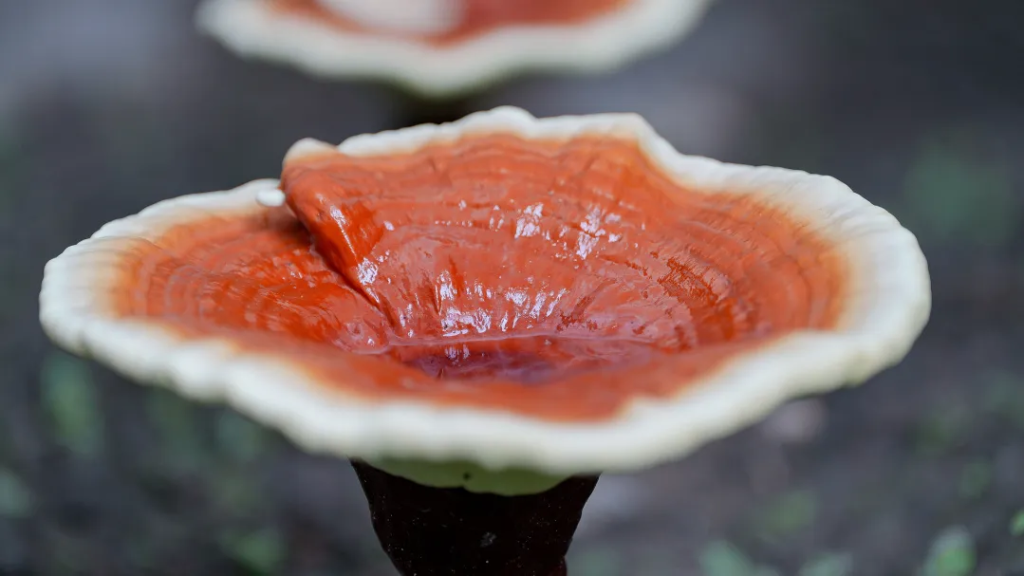
Ganoderma (también conocido como Lingzhi o Reishi) Ha sido valorado durante siglos en la Medicina Tradicional China. (TCM) y tradiciones culinarias chinas. En los textos clásicos de la medicina tradicional china, Ganoderma is traditionally described as “entrando en el meridiano del corazón,” Reflejando un sistema histórico de categorización de hierbas dentro de la teoría de la medicina tradicional china..
TCM concepts such as the Heart Meridian and shen are part of a traditional wellness philosophy and are not equivalent to modern anatomical structures or physiological functions. These traditional descriptions are based on historical practices and should not be interpreted as scientific evidence of effects on the human body or as claims to diagnose, tratar, curar, o prevenir cualquier enfermedad.
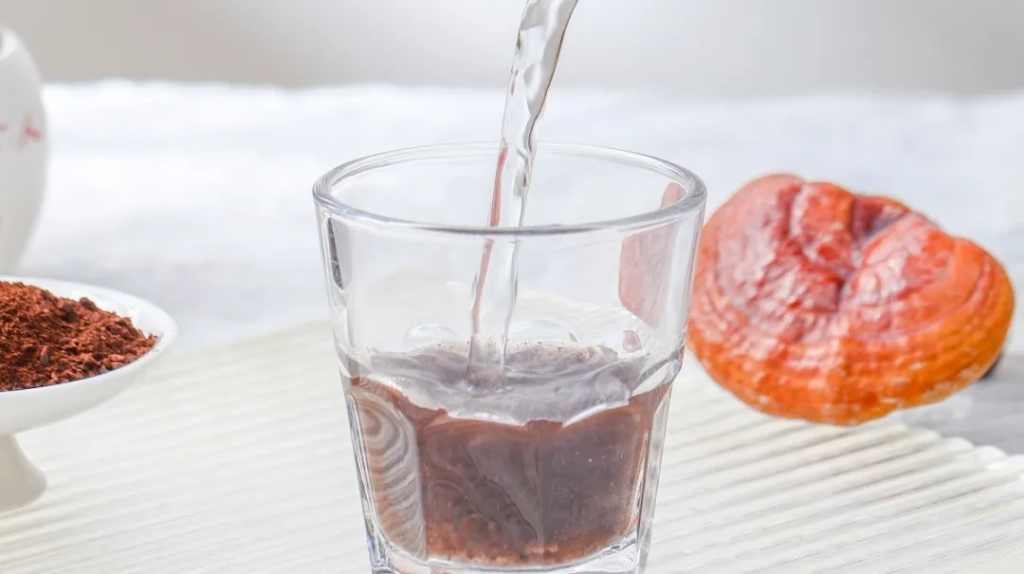
Hoy, Ganoderma continues to be enjoyed in soups, tés, and other traditional recipes as part of Chinese culinary heritage y seasonal food culture.
1. Ganoderma & Sour Jujube Seed Tea
A Traditional Herbal Beverage
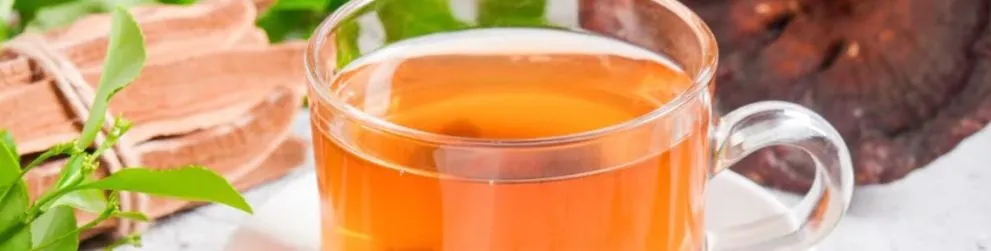
Ingredientes
5 g Ganoderma slices
10 g sour jujube seeds (Suan Zao Ren)
Preparación
Simmer the ingredients in water for approximately 20–30 minutes. Strain and enjoy as a traditional herbal beverage.
2. Ganoderma, Coix Seed & Winter Melon Soup
A Traditional Summer Soup
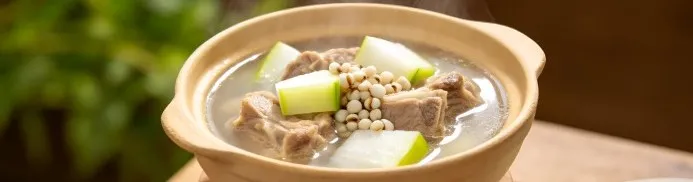
Ingredientes
15 g Ganoderma slices
30 semillas de coix (Job’s tears)
500 g winter melon
Pork ribs or lean pork (optional)
Preparación
If using pork, blanch briefly before cooking. Simmer the pork, Ganoderma, and coix seeds for approximately 40 minutos. Add the winter melon and continue cooking for about 20 minutos antes de servir.
3. Ganoderma Pork Heart Soup
A Traditional Double-Boiled Soup

Ingredientes
10 g Ganoderma slices
1 pork heart
3–5 red dates
A small amount of dried longan
3 slices fresh ginger
Preparación
Blanch the pork heart, then combine all ingredients in a double boiler. Add water and simmer for approximately 2 horas.
Descargo de responsabilidad: These recipes are provided for cultural, culinary, and educational purposes only. References to Traditional Chinese Medicine reflect historical and traditional practices and have not been evaluated by the U.S. Administración de Alimentos y Medicamentos. This information is not intended to diagnose, tratar, curar, o prevenir cualquier enfermedad.


